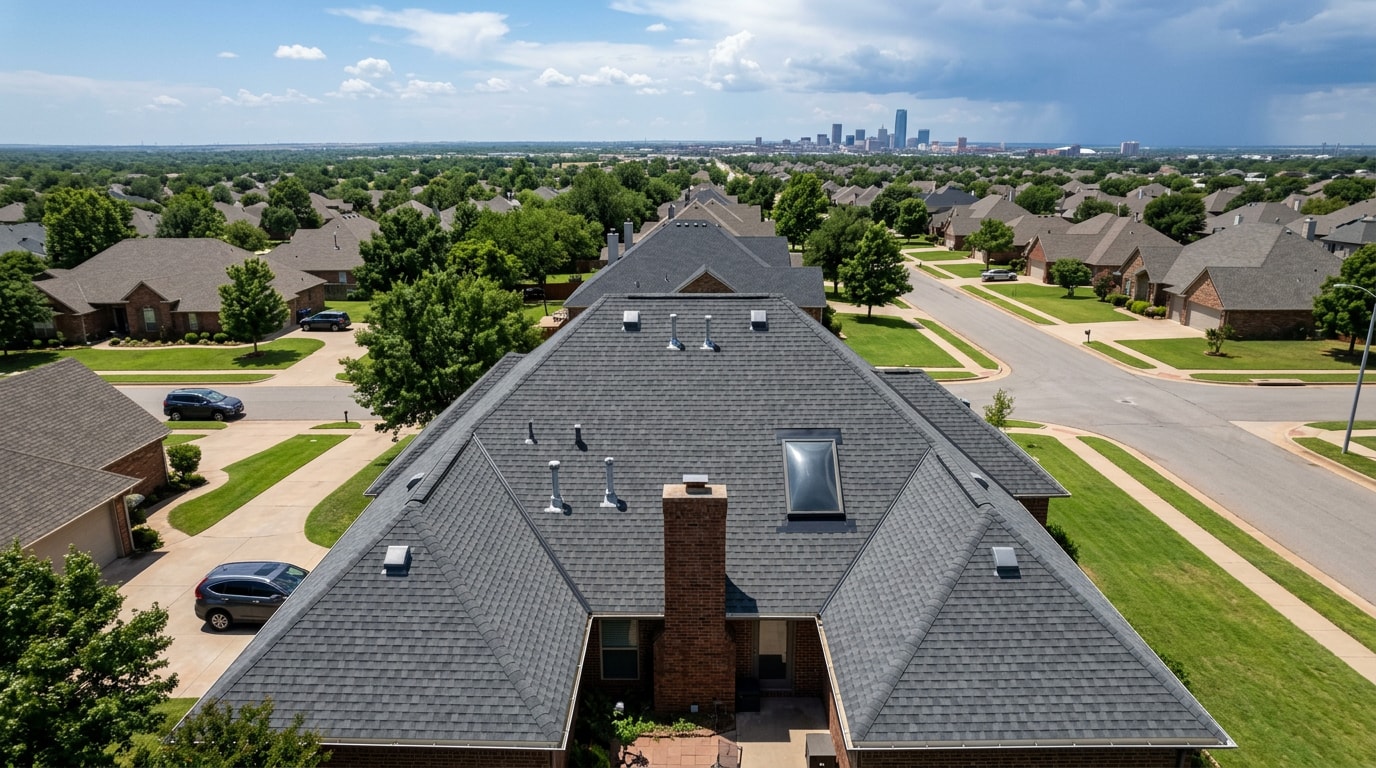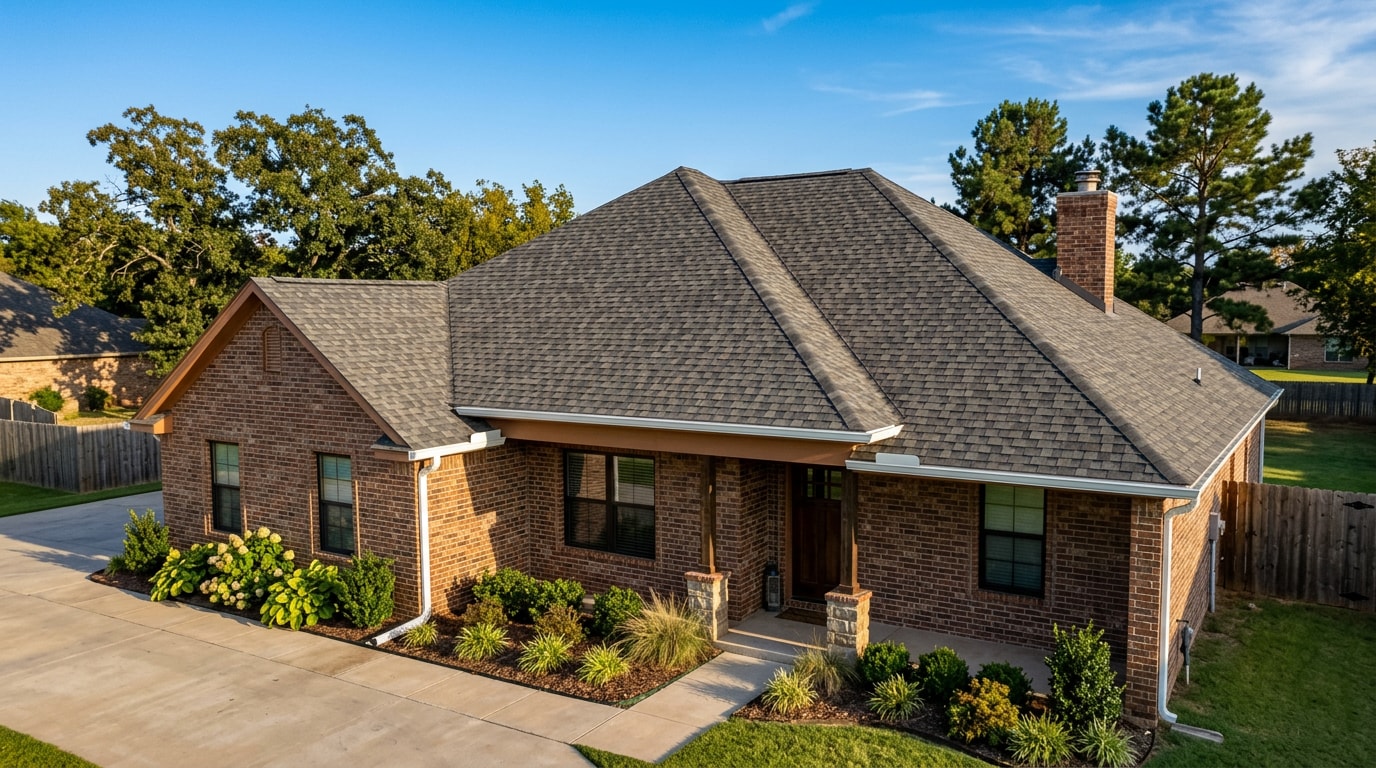
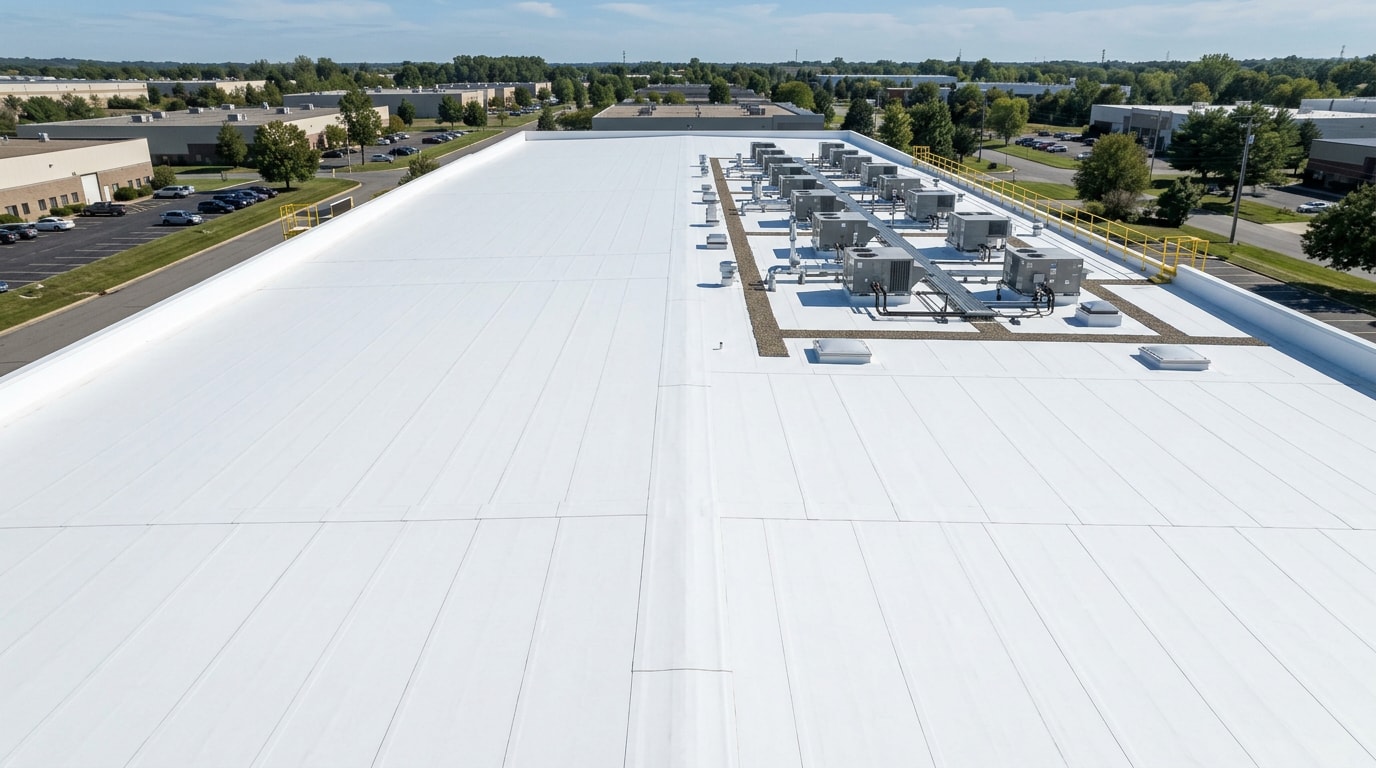
Roof waterproofing services in Broken Arrow, OK protect flat and low-slope roofs from a climate that delivers hail, wind-driven rain, and brutal UV exposure in the same calendar year. Skip it, and small cracks in a membrane or coating turn into interior water damage within a single storm season. This guide breaks down the methods, real cost ranges, and warning signs so you can make the call before the next downpour finds the weak spot.
Reviewed by the licensed roofing crew at AH Roofing Contracting, serving Broken Arrow and the greater Tulsa metro. Questions about a specific roof? Contact us directly.
Why Broken Arrow's Climate Is Hard on Unprotected Roofs
Broken Arrow sits in a humid subtropical zone that averages roughly 42 inches of rain a year, noticeably above the U.S. average of 38 inches, with May typically the wettest month. Add in spring hailstorms and summer heat that regularly pushes past 90°F, and a roof surface is under constant stress from two directions: moisture infiltration and UV breakdown.
Flat and low-slope commercial roofs feel this the most. Unlike a pitched residential roof, they can't shed water by gravity alone, so standing water sits on seams and penetrations until it finds a way in.
On a recent flat-roof call in Broken Arrow, our crew found three prior "repairs" stacked on the same seam, each using a different sealant that wasn't compatible with the layer underneath. The seam kept failing every spring because nobody had removed the old material before applying new. That's the kind of mistake proper roof inspection is supposed to catch before it becomes a pattern.
Roof Waterproofing Methods Compared
Waterproofing isn't one product. It's a category that ranges from a basic sealant brushed onto a seam to a fully adhered membrane system. Picking the wrong tier for the job is the single most common reason waterproofing "doesn't work."
| Method | Typical Lifespan | Best For |
|---|---|---|
| Sealants (seam/flashing) | 3–5 years | Spot-treating small penetrations, skylights, vent boots |
| Elastomeric/acrylic coating | 5–10 years | Refreshing an aging roof between full replacements |
| Silicone coating | 10–15 years | Flat roofs with chronic ponding water |
| Fully adhered membrane (TPO, EPDM, PVC) | 15–25+ years | New commercial installs or full re-roofs |
These are general industry ranges. Actual lifespan depends heavily on installation quality, roof traffic, and how often the system gets inspected, which is why a one-size-fits-all number from a national blog rarely matches what happens on an actual Broken Arrow roof.
TPO vs. EPDM vs. Modified Bitumen for Flat Commercial Roofs
Single-ply membranes are the standard waterproofing layer for most commercial flat roofs in the area. Three materials cover nearly every situation:
| Membrane | Reflectivity | Flexibility | Typical Lifespan | Notes |
|---|---|---|---|---|
| TPO | High (reflects heat, cuts cooling load) | Moderate | 15–20 years | Heat-welded seams, popular on big-box and office roofs |
| EPDM | Low (black surface absorbs heat) | High | 15–25 years | Handles Oklahoma's freeze-thaw swings well |
| Modified Bitumen | Moderate | Moderate | 15–20 years | Asphalt-based, common on older re-covers |
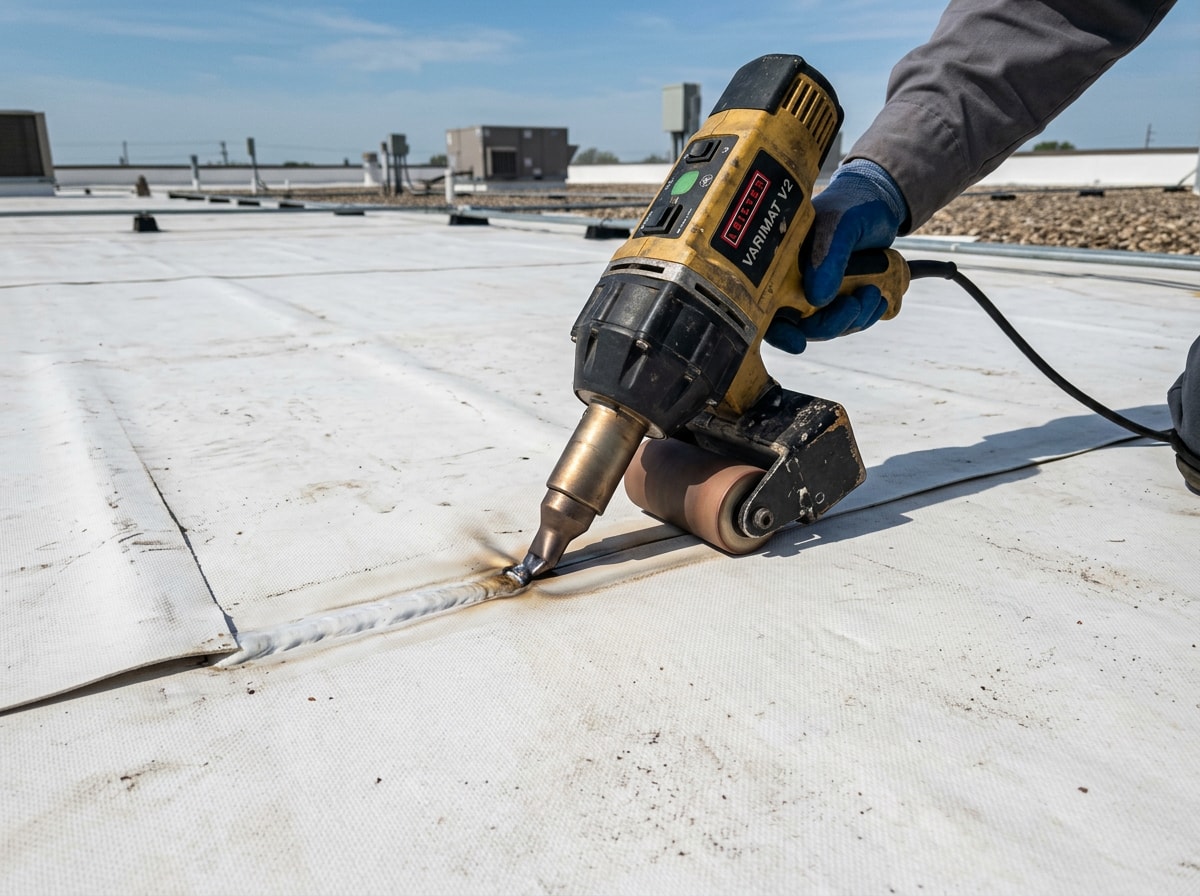
TPO's reflective surface aligns with the federal cool-roof guidance from the Department of Energy's Federal Energy Management Program, which notes that reflective roof products can meaningfully cut cooling costs depending on climate and insulation. EPDM trades some of that reflectivity for proven flexibility in temperature swings, which matters during Oklahoma's hot-to-cold whiplash. If you're weighing a full system over a patch job, our Roof Replacement team can walk through which membrane fits your building and budget.
7 Signs Your Broken Arrow Roof Needs Waterproofing Now
- Ponding water that sits on a flat roof for more than 48 hours after rain
- Visible cracking, blistering, or alligatoring on an existing coating
- Rust or staining around flashing, vents, or HVAC curbs
- Interior ceiling stains that appear after heavy rain but not before
- A roof that's within 3–5 years of its last coating or sealant application
- Seams that feel soft, spongy, or separated when walked
- Recent hail damage that dented the surface without puncturing it outright
If two or more of these apply, don't wait for the next storm. An emergency roof repair now is almost always cheaper than interior remediation later.
Roof Waterproofing Cost in Broken Arrow, OK
Pricing swings widely based on material, roof size, and how much prep work a damaged surface needs. Here's a general range to budget against, not a quote:
| System | Typical Cost Range (per sq. ft.) |
|---|---|
| Acrylic/elastomeric coating | $1.50 – $3.50 |
| Silicone coating | $2.00 – $4.00 |
| Modified bitumen | $4.00 – $7.00 |
| EPDM membrane | $3.50 – $6.00 |
| TPO membrane | $5.00 – $9.00 |
These figures reflect typical national material and labor costs reported across the roofing industry; they're a starting point, not a bid. Roof access, deck condition, and the number of penetrations all move the number up or down. The only way to get a real figure for your property is a site walk, which is why we offer a free estimate before any contract gets signed.
Our Roof Waterproofing Process
- Inspection and moisture scan. We check the deck, flashing, and seams for existing water intrusion before touching anything.
- Surface prep. Old, failed sealant or coating gets removed rather than covered over, since layering incompatible products is how repeat leaks start.
- Repair first, then protect. Any soft deck sections or damaged flashing get fixed before a waterproofing layer goes on top.
- Material application. Membrane, coating, or sealant is applied to manufacturer spec, including cure times and weather windows.
- Water testing. Critical seams and drains get tested before we call the job finished.
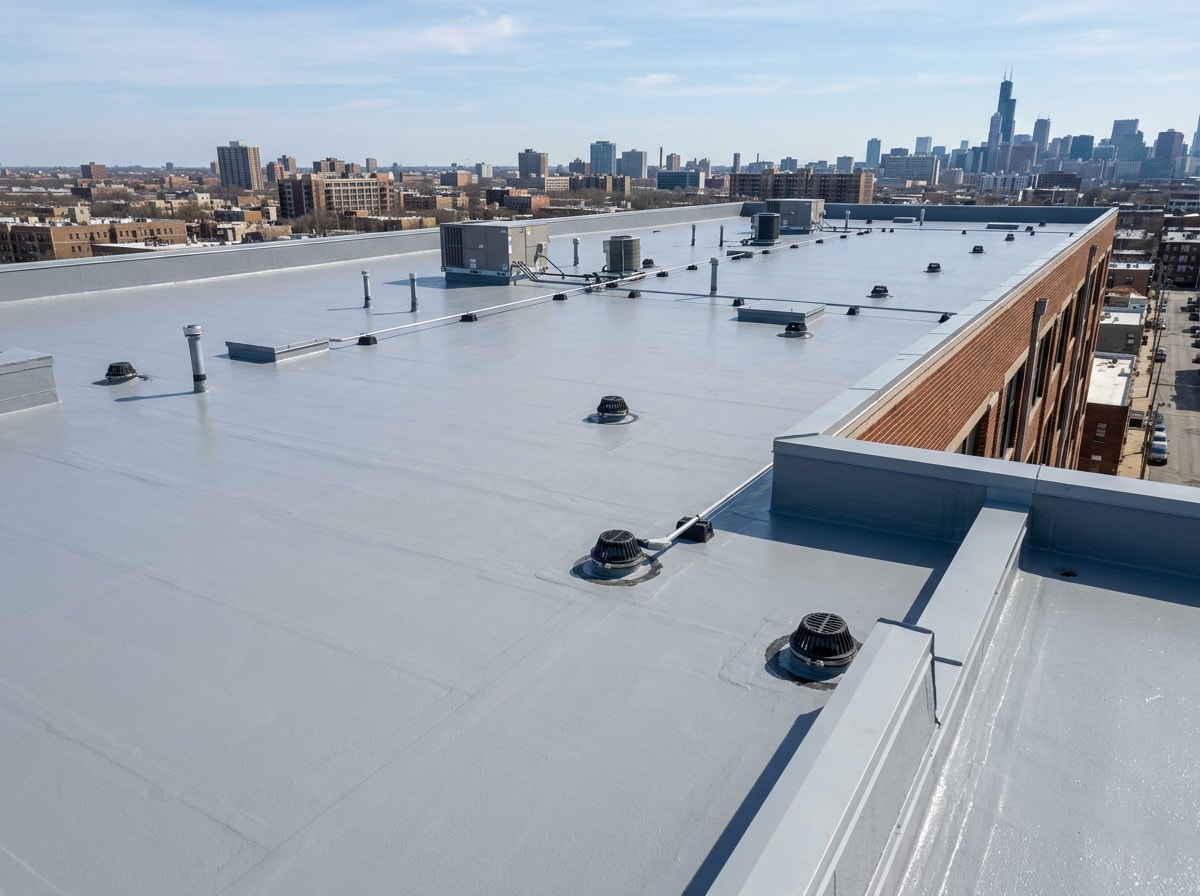
This sequence mirrors the general project considerations outlined in the National Roofing Contractors Association's waterproofing guidance, which stresses proper surface prep, water testing, and manufacturer specifications as the baseline for a waterproofing system that actually holds.
Why DIY or Handyman Waterproofing Often Fails on Flat Roofs
Low-slope and flat roofs carry specific safety requirements that a weekend warrior, or an unlicensed handyman, usually isn't equipped to follow. Under OSHA's fall protection standards for low-slope roofs, work within six feet of a roof edge requires guardrails, a safety net, or a personal fall arrest system, not just good intentions.
Beyond safety, incorrect application is one of the most common causes of repeat water damage on commercial buildings. A trained crew knows which primer pairs with which membrane, how long a coating needs to cure before rain, and where flashing details actually fail first. If your building needs ongoing upkeep rather than a one-time fix, our Property Maintenance and Commercial Repairs teams can set up a recurring inspection schedule.
Roof Coatings, Drainage & the Mold Connection
Roof coatings and underlayment aren't just a maintenance filler between replacements. Reflective coatings reduce the heat load the deck absorbs, and proper underlayment adds a second line of defense if the top layer ever gets compromised.
What gets missed is drainage. A waterproofed roof with clogged gutters still backs up water at the roofline, which pushes moisture into fascia and soffits over time. The EPA's guidance on mold and moisture control is blunt about it: the key to mold control is moisture control, and controlling moisture starts with getting water off the roof and away from the structure. That's why we often pair waterproofing jobs with gutter maintenance so the two systems work together instead of against each other.
Roof Waterproofing vs. Roof Replacement: How to Decide
Waterproofing extends the life of a roof that's structurally sound but showing surface wear. It is not a substitute for replacement when the deck itself is compromised, when a roof has already failed multiple membrane patches, or when a roof is past 20-25 years old with no warranty remaining.
A straightforward way to decide:
- Waterproof if the roof is under 15 years old, the deck is dry, and damage is limited to the surface layer.
- Repair if the issue is localized, like a single failed seam or flashing detail.
- Replace if multiple systems have failed, the deck shows rot, or repair costs are approaching 50% of a new install.
Our Roof Repairs and Roof Replacement teams can inspect and give you a straight answer rather than upselling a service you don't need. For a broader look at how storm damage changes that math in nearby markets, see our roof restoration guide for Owasso homeowners.
Get a Local Roof Waterproofing Quote in Broken Arrow
Every roof carries its own combination of age, material, and damage history, which is why generic online calculators rarely match reality. AH Roofing Contracting serves Broken Arrow, OK and the surrounding Broken Arrow, OK area with licensed, insured crews for both residential and commercial waterproofing. Browse our Roofing Contractor services or visit the homepage for the full range of what we handle, then get a free estimate before the next storm front rolls through.
FAQ
How Long Does Roof Waterproofing Last?
It depends on the system: 3-5 years for basic sealants, 5-10 years for acrylic coatings, and 15-25 years for fully adhered membranes. Oklahoma's hail and UV exposure can shorten these ranges if the roof isn't inspected regularly.
Is Roof Waterproofing Worth It?
Yes, in most cases. Waterproofing costs a fraction of what interior water damage repair runs, and it buys years of extra life out of a roof that would otherwise need early replacement.
How Often Should You Waterproof Your Roof?
Most flat commercial roofs benefit from reapplication every 5-10 years, depending on the material used. Sloped residential roofs typically need spot waterproofing less often, usually tied to flashing or skylight maintenance.
Does Every Roof Need Waterproofing?
No. Steep-slope residential roofs in good condition often don't need a full waterproofing system since gravity handles drainage. Flat roofs, aging roofs, and buildings with a history of ponding water benefit the most.
What's the Difference Between Roof Coating and Roof Waterproofing?
Roof coating is one type of waterproofing, usually a reflective acrylic or silicone layer applied to an existing surface. Waterproofing is the broader category that also includes membranes, sealants, and flashing systems.
Can You Waterproof a Roof Without a Full Replacement?
Yes, as long as the roof deck is dry and structurally sound. Coatings and membrane overlays are routinely applied over an existing roof to extend its service life without a tear-off.
Does Insurance Cover Roof Waterproofing After Storm Damage?
Sometimes, if the waterproofing failure is a direct result of a covered event like hail or wind. Routine maintenance and age-related wear are typically excluded, which is why most policies require documented inspection history.