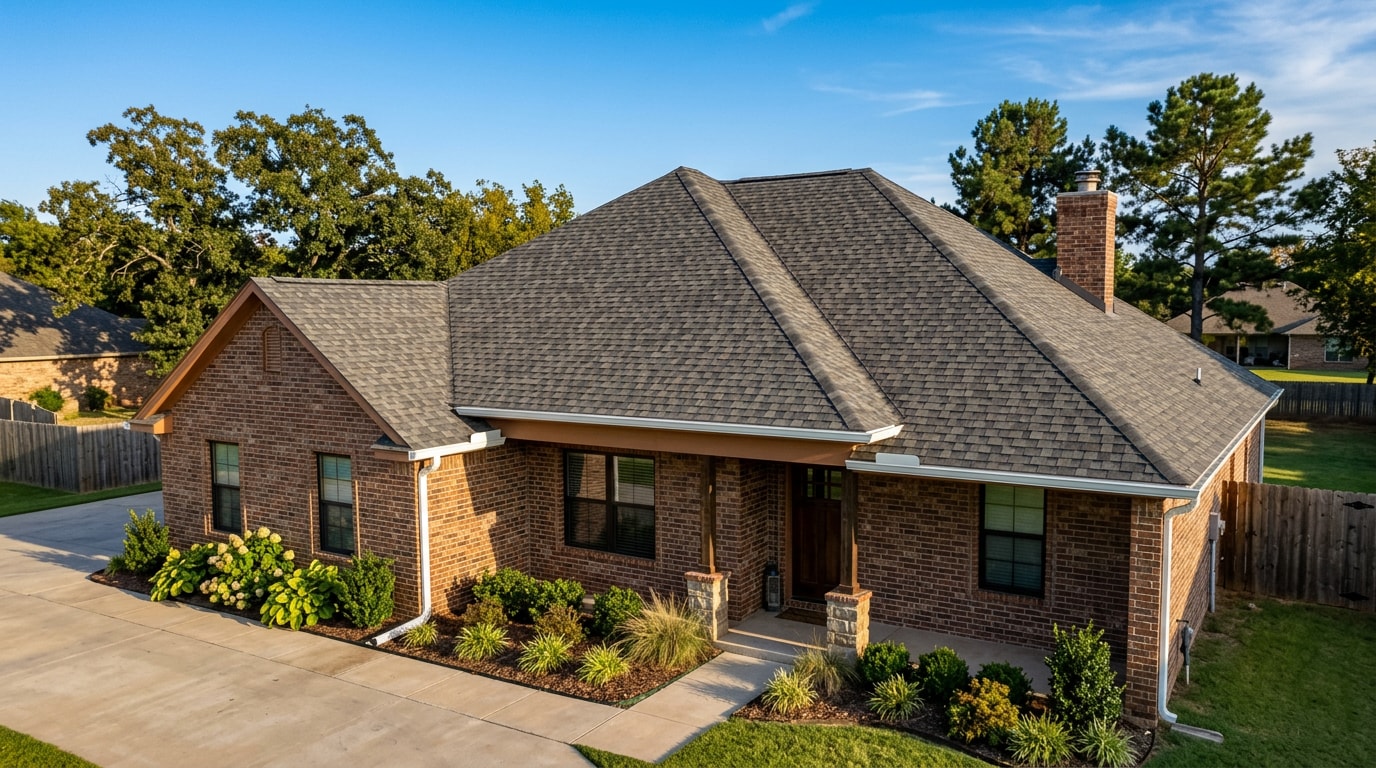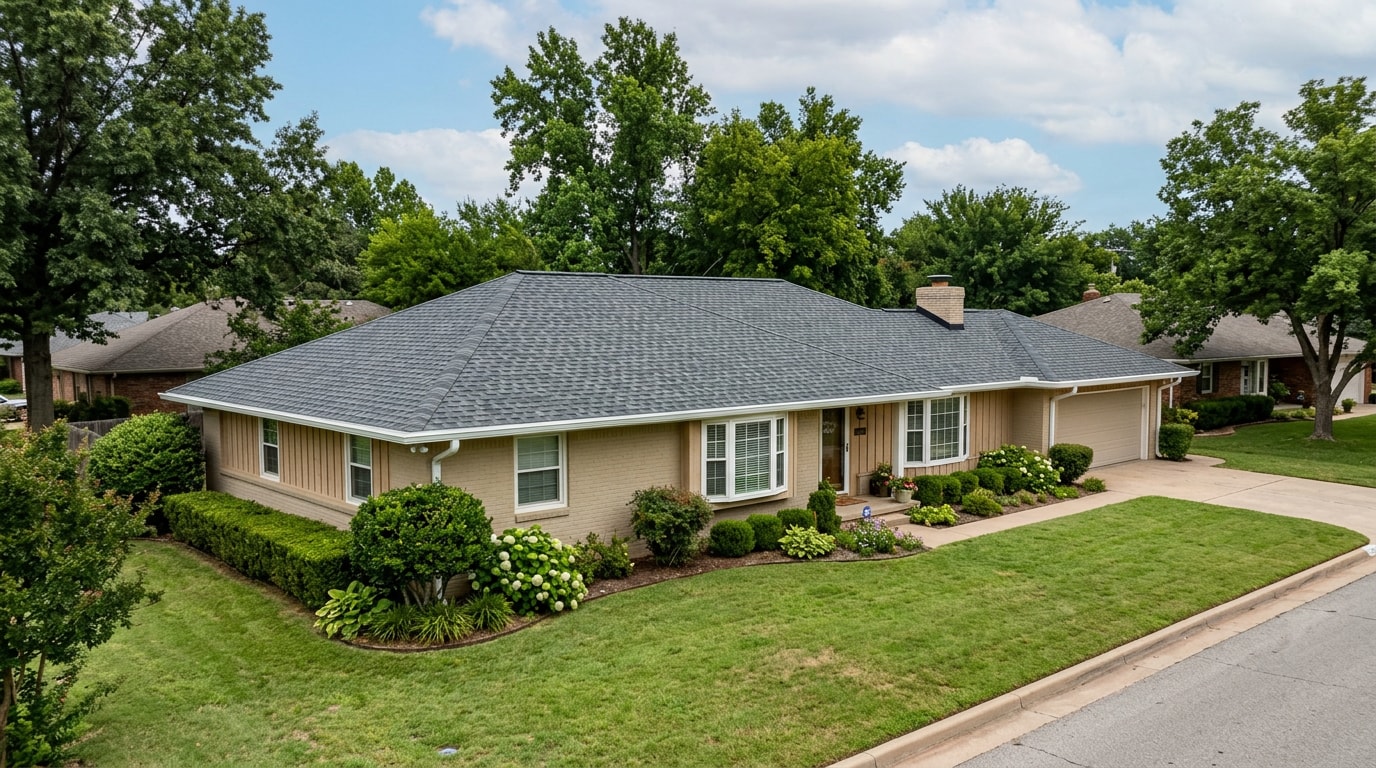
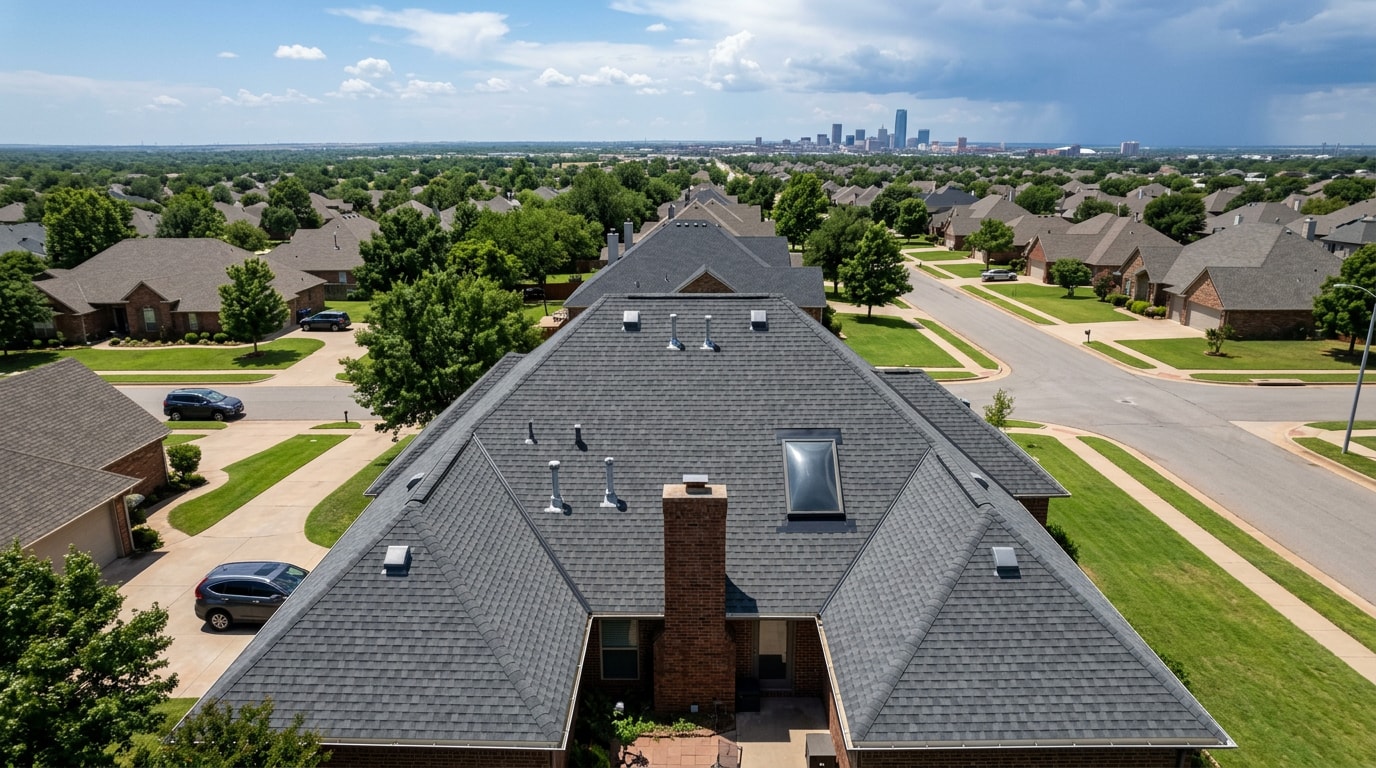
Types of roofing materials in Oklahoma City, OK range from budget-friendly asphalt to century-spanning slate, and the right pick depends on how much hail, wind, and summer heat your roof has to survive. At A&H Roofing & Contracting, we install and repair every material on this list across the OKC metro, so the comparisons below come from job sites, not just spec sheets. Here's how each option actually holds up once Oklahoma weather gets involved.
Quick Answer: Best Roofing Material for OKC Homes
For most Oklahoma City homeowners, Class 4 impact-resistant architectural asphalt shingles offer the best balance of upfront cost and hail protection. If you plan to stay in the home for decades and want to minimize future replacements, standing seam metal costs more upfront but can outlast two or three asphalt roofs. Need help deciding? Get a free estimate and we'll walk your roof with you before you commit to a material.
How Oklahoma City Weather Stress-Tests Every Roof
Oklahoma City roofs face four real stressors every year, and no single material wins every category:
- Straight-line wind — gusty spring storms favor standing seam metal and properly fastened architectural shingles over lighter 3-tab products.
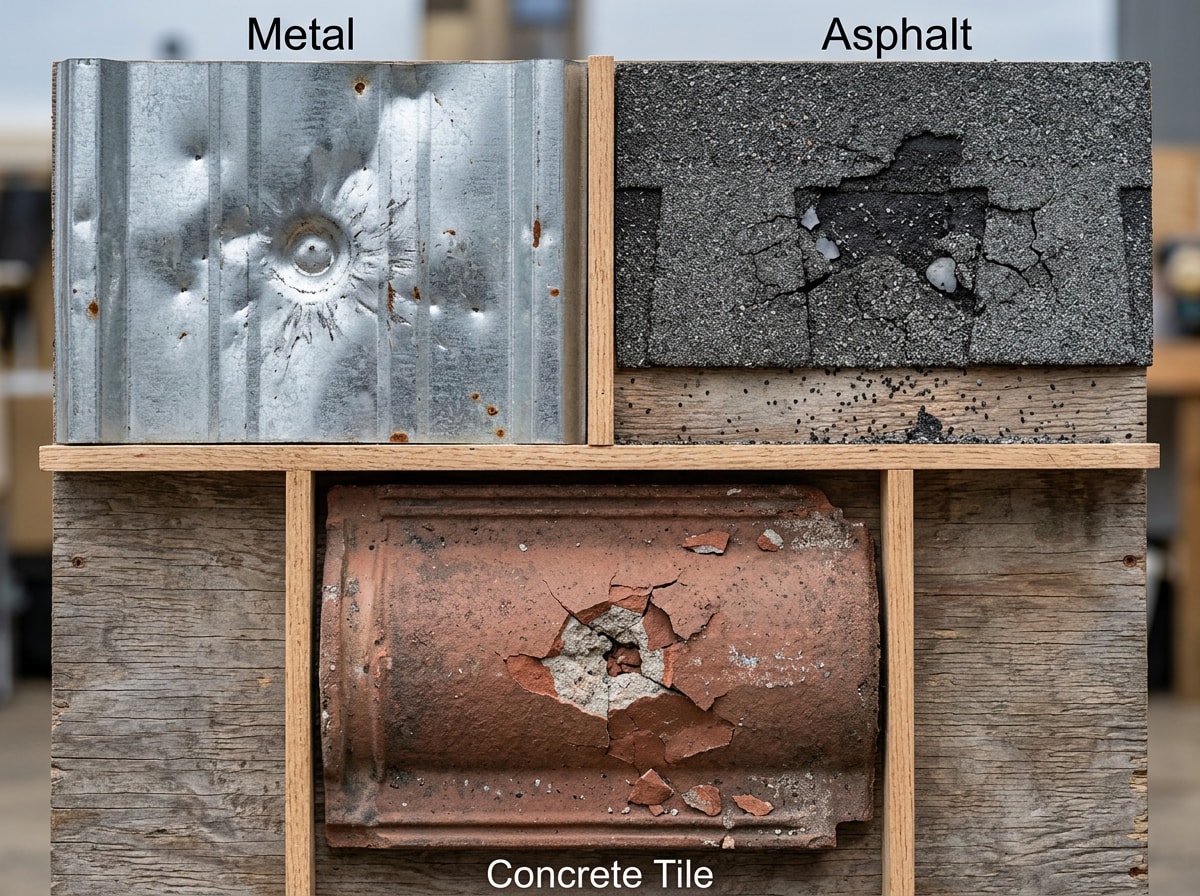
- Hail — impact-resistant (Class 4) shingles and metal panels both hold up noticeably better than standard asphalt during significant hail events.
- Extreme summer heat — heat above 100°F accelerates UV degradation on darker asphalt shingles, while reflective metal and lighter tile shed heat more efficiently.
- Freeze-thaw cycling — less severe here than in northern climates, but it still stresses aging underlayment and flashing, particularly on flat roofs.
Historical logs from the National Weather Service's Norman forecast office document wind events with nearly persistent gusts of 40 to 50 mph over multiple days, with some areas seeing occasional gusts around 60 mph , which is why wind rating matters as much as hail rating when you're choosing a material for this region.
Types of Roofing Materials for Oklahoma City, OK Homes & Businesses
Choosing the right material means balancing hail resistance, heat tolerance, and wind performance against your budget. The sections below break down each option so OKC homes and businesses can compare them side by side.
Asphalt Shingle Roofing
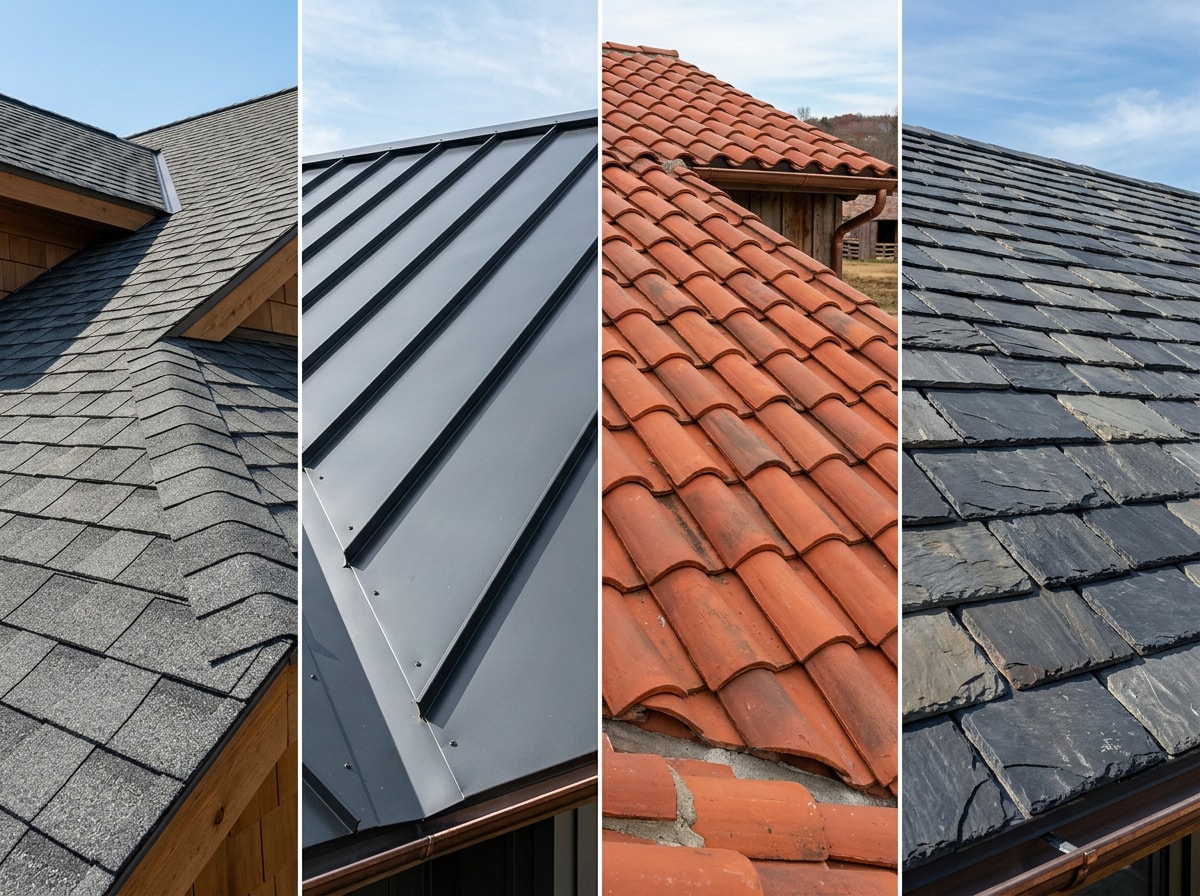
Asphalt shingles remain the default roofing material for budget-conscious homeowners across the metro, and for good reason. Three-tab shingles offer the lowest upfront cost. Architectural (dimensional) shingles add thickness and a layered look for better wind and hail performance. Designer shingles mimic slate or wood shake at a fraction of the price.
Lifespans typically run 15 to 30 years depending on the tier and installation quality. Asphalt is fully waterproof and comes in dozens of colors and textures, which is why it still covers most roofs in the area. Homeowners weighing a replacement can review installation options through roof installation services before deciding on a tier.
Metal Roofing
Metal roofing has grown from a niche choice into a mainstream option for Oklahoma City homes and businesses that want longevity over low upfront cost. Standing seam panels offer the cleanest look and the strongest resistance to wind uplift. Stone-coated steel panels combine metal's durability with a shingle-like appearance.
Steel roofing typically comes with a corrosion-resistant coating that holds up well against hail impact. Aluminum panels bring a lighter, naturally rust-resistant profile that suits low-slope applications. Corrugated panels remain a cost-effective pick for outbuildings and commercial structures. Property owners comparing metal against asphalt can explore roof replacement options to see installed pricing and panel styles.
Tile Roofing
Clay and concrete tile both bring a distinctive look and genuine fire resistance, which matters during Oklahoma's dry, windy stretches. Clay tends to handle extreme heat slightly better and holds its color longer. Concrete tile usually costs less and still performs well in high temperatures.
In our own OKC tile inspections, we've seen the underlayment fail years before the tile itself showed any real wear. That membrane typically needs replacement well before the tile does, so budget for underlayment work as part of long-term tile ownership rather than assuming a one-and-done installation.
Slate Roofing
Natural slate roofing is the longevity champion of the group, with some installations lasting well over 100 years when properly maintained. That lifespan comes with trade-offs, though. Slate is heavy, so many older homes need structural reinforcement before installation, and both material and labor costs sit well above asphalt, metal, or tile.
For homeowners restoring a historic property or planning to stay put for decades, slate can still pencil out. For a typical OKC remodel on a standard timeline, it's usually a harder cost to justify.
Flat Roofing Systems (TPO, EPDM, Modified Bitumen & Built-Up)
Low-slope and flat roofs, common on commercial buildings and additions, call for a different material category entirely. TPO membranes are prized for their reflectivity, which helps bounce back Oklahoma's intense summer sun and ease cooling loads. EPDM, a synthetic rubber membrane, trades some reflectivity for strong durability and a lower material cost, making it a reliable workhorse for budget-minded commercial projects.
Built-up roofing and modified bitumen are older technologies, layered systems of asphalt and reinforcing fabric, but they're still specified today for commercial applications where proven track records matter more than modern features. Each system has a narrower use case than the sloped-roof materials above, so the right pick depends on the building's specific drainage and load needs.
Wood Shingle Roofing
Wood shingles offer a natural, rustic look that few other materials replicate. Cedar is the most common choice given its natural resistance to moisture and insects.
Performance claims around wood shingles vary by source and installation quality, so treat lifespan and weather-resistance figures as general guidance rather than guarantees. In Oklahoma's humidity and storm exposure, wood shingles require more diligent maintenance than most other roofing options on this list.
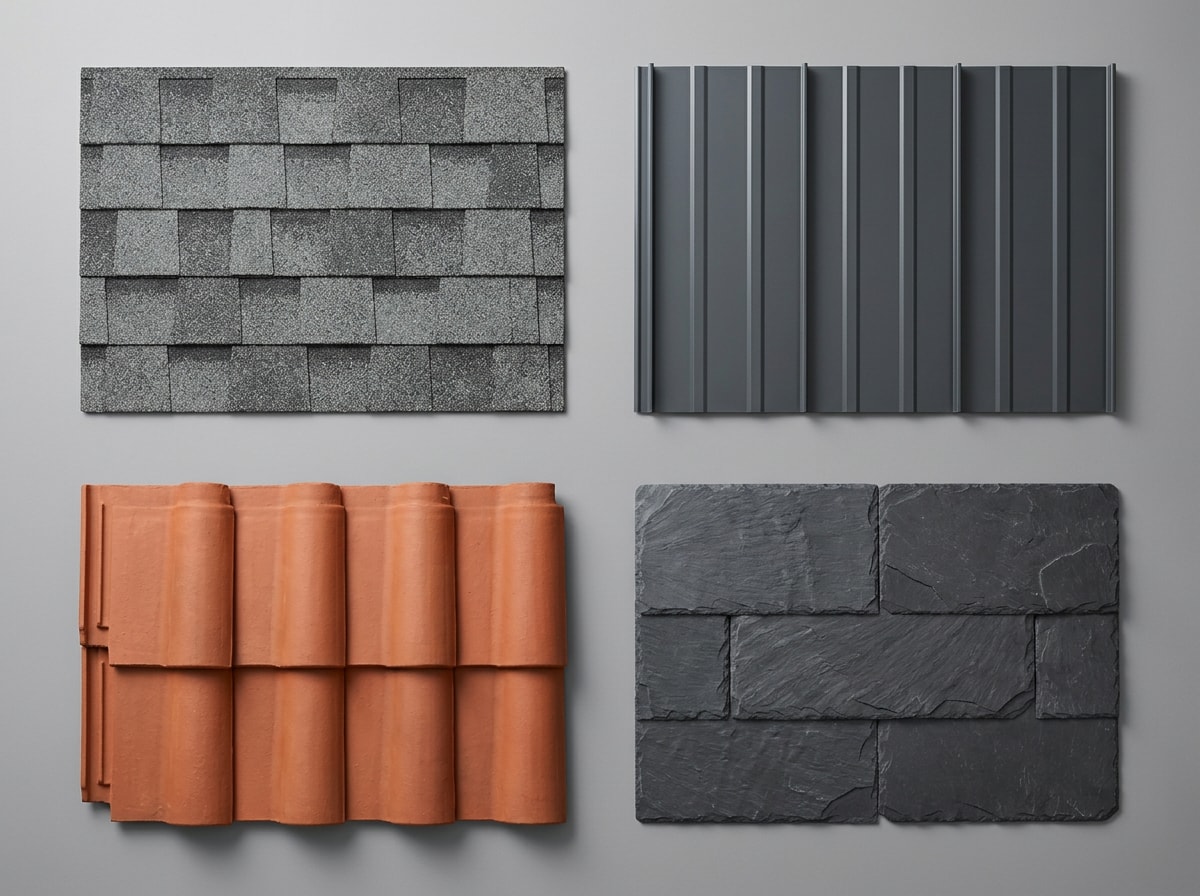
Roofing Types Comparison Chart
The table below lines up lifespan, cost tier, maintenance, storm performance, and energy performance across the materials covered above, using current 2026 per-square cost ranges and UL 2218 impact-rating terminology instead of vague "good/excellent" labels.
| Material | Lifespan | Cost per Square (2026) | Maintenance | Storm Performance | Energy Performance |
|---|---|---|---|---|---|
| Asphalt (architectural) | 20-30 yrs | $350-$550 | Low-Moderate | Class 4 available (impact-resistant lines) | Moderate; reflective options exist |
| Metal (standing seam) | 40-70 yrs | $800-$1,400 | Low | Strong wind uplift resistance; many Class 4 rated | High reflectivity |
| Tile (clay/concrete) | 50-100 yrs | $900-$1,800 | Moderate (underlayment) | Strong, but brittle under direct hail impact | High thermal mass |
| Slate | 100+ yrs | $1,500-$3,000+ | Low | Excellent, if structure supports weight | Moderate |
| TPO/EPDM (flat) | 20-30 yrs | $400-$700 | Moderate | Good on properly sloped drainage | TPO: high; EPDM: moderate |
To qualify as UL 2218 Class 4 impact-resistant, a shingle must pass an assessment in which a 2-inch steel ball is dropped twice from a 20-foot height onto an installed shingle, and Class 4 is the highest possible rating level for asphalt shingles. Cost ranges above are directional estimates and will shift based on roof complexity, labor market, and material availability at the time of your project.
Energy Efficiency and Your Utility Bills
Roof color and material composition directly affect how much heat your attic absorbs during Oklahoma's long cooling season. Dark asphalt shingles can push attic temperatures significantly higher than reflective metal or light-colored tile, which translates into harder-working air conditioning systems and higher summer utility bills.
A cool roof is defined by high solar reflectance combined with high thermal emittance, meaning it bounces sunlight away and releases absorbed heat rather than holding onto it. TPO membranes on flat commercial roofs offer some of the strongest reflectivity available, which is part of why they've become popular for large low-slope buildings looking to cut cooling costs. If energy savings rank high on your priority list, factor reflectivity into your material decision alongside storm performance and upfront cost.
How Your Roof Type Affects Oklahoma Insurance Premiums
Insurance carriers increasingly offer discounts for impact-resistant roofing, and the roof type you choose can shift your premium noticeably over time. Class 4 impact-resistant asphalt shingles and metal roofing both commonly qualify for these discounts, though exact savings vary by carrier and policy.
The Insurance Institute for Business & Home Safety released its 2025 update to its Hail Impact-Resistant Shingle Ratings, evaluating a record 24 impact-resistant shingle products representing roughly 95% of the impact-resistant shingles sold annually.
That report found most products earned a "Good" rating, with none reaching "Excellent," which is worth knowing before you assume every shingle labeled "impact-resistant" performs the same in a real hailstorm. If your roof has already sustained storm damage, read our guide on roof restoration and storm damage costs before your next policy renewal, since repair history can also factor into premium calculations. Our roof repair team can also document existing damage for your claim.
Tips for Choosing the Right Roof
Start with budget, but don't stop there. Factor in your home's structural capacity (slate and tile are heavy), any HOA restrictions on material type or color, and how much storm exposure your specific lot and roof pitch realistically see.
A quick checklist before you commit:
- Confirm your attic framing can support heavier materials before falling in love with tile or slate.
- Check HOA guidelines early to avoid a rejected permit.
- Weigh Class 4 asphalt or metal if hail is your primary concern.
- Ask about underlayment condition on any tile or flat roof before assuming it's a simple surface swap.
A free roof inspection can clarify what your current structure can realistically support before you commit to a material. If you're in Oklahoma City or a nearby suburb and weighing a shingle upgrade, our guide to shingle installation costs and permits walks through the process step by step.
FAQ
What roofing material is best for Oklahoma City's weather?
Metal and tile roofing generally lead in durability and weather resistance thanks to their strength against wind and heat. For homeowners prioritizing value, Class 4 impact-resistant asphalt shingles offer strong hail protection at a lower cost.
What is the most common type of roofing in Oklahoma?
Asphalt shingles remain the dominant roofing material in Oklahoma due to their affordability, wide style selection, and straightforward installation. Most residential roofs across the metro still use some tier of asphalt shingle.
What's the cheapest roofing material for an Oklahoma City home?
Three-tab asphalt shingles carry the lowest material and labor cost of any option on this list. The trade-off is a shorter lifespan and weaker wind and hail performance than architectural or Class 4 shingles.
How long does a metal roof last in Oklahoma?
A properly installed standing seam metal roof in Oklahoma typically lasts 40 to 70 years. Lighter panel types and frequent hail impacts can shorten that range on the lower end compared to milder climates.
How much does a new roof cost in Oklahoma City in 2026?
Costs vary by material, but asphalt shingle roofs typically run $350 to $550 per square installed, while standing seam metal runs $800 to $1,400 per square. Roof size, pitch, and tear-off complexity all affect the final number, so an on-site estimate is the only way to get an accurate figure.
Which roofing materials qualify for insurance discounts in Oklahoma?
Class 4 impact-resistant asphalt shingles and most standing seam metal roofing commonly qualify for carrier discounts, though savings vary by insurer and policy. Ask your carrier for their specific list of qualifying products before you choose a material.
Which roofing material should I choose for my house in Oklahoma City?
The right choice depends on your budget, structural capacity, and storm exposure, as outlined in the comparison chart and tips section above. Most homeowners land on Class 4 asphalt or metal as the best balance of cost and performance.
About A&H Roofing & Contracting
A&H Roofing & Contracting is a licensed roofing, gutter, and painting contractor serving Oklahoma City, Edmond, Moore, Piedmont, and the greater OKC metro. Our crews install and repair every roofing material covered in this guide, from asphalt shingle tear-offs to standing seam metal and commercial TPO systems. Questions about your specific roof? Contact our team for a free, no-pressure estimate.