Learning how to install roll roofing in Bixby, OK starts with picking the right low-slope material for your shed, porch, or addition, then following a tight nailing and sealing sequence built for Oklahoma weather. This guide walks through prep work, the full step-by-step installation, material options, costs, and the questions Bixby homeowners ask most before starting a DIY roll roofing project. Skip a step in that sequence and you'll likely be patching leaks within a season, so let's get it right the first time.
Bixby sits in a humid climate where summer moisture slows cement cure times and winter freeze-thaw cycles put extra stress on seams. The team at AH Roofing Contracting works on low-slope roofing throughout Bixby, OK, and the seam failures we see most often on service calls trace back to rushed prep work and skipped overlap, not bad material. If your low-slope roof is already flat rather than a shed or porch, our asphalt flat roof repair guide for Bixby covers leak diagnosis and code specifics unique to that roof type.
Pre-Installation Preparations
Skipping prep is the single biggest reason roll roofing jobs fail early. Before any material touches the deck, confirm the roof is safe to work on, sound enough to hold a new layer, and that every tool is on hand.
Safety First
Roof work on low-slope and flat roofs carries real fall risk, even though the pitch feels gentler than a steep residential roof. Stable ladder placement, slip-resistant footwear, and a clear path across the surface are non-negotiable before you carry materials up.
Wet granules, morning dew, and loose debris turn a flat roof into a hazard fast. Under 29 CFR 1926.501(b)(13), workers engaged in residential construction six feet or more above lower levels must be protected by conventional fall protection, meaning guardrail systems, safety net systems, or personal fall arrest systems, or other fall protection measures allowed elsewhere in the standard. Review OSHA's fall protection guidance for residential construction before working on anything higher than a single story, even on a DIY shed roof.
Roof Inspection
Before you lay a single sheet, walk the deck and check for soft spots, rot, or sagging that signal structural damage underneath. Press on suspicious areas with your boot. If it gives, that plywood needs replacing before you proceed.
Also check existing layers of roofing material, flashing condition around any penetrations, and how many layers are already present. If you're unsure what's underneath an older roof, a professional roof inspection can confirm deck condition before you buy materials.
Gather Your Roll Roofing Materials and Tools
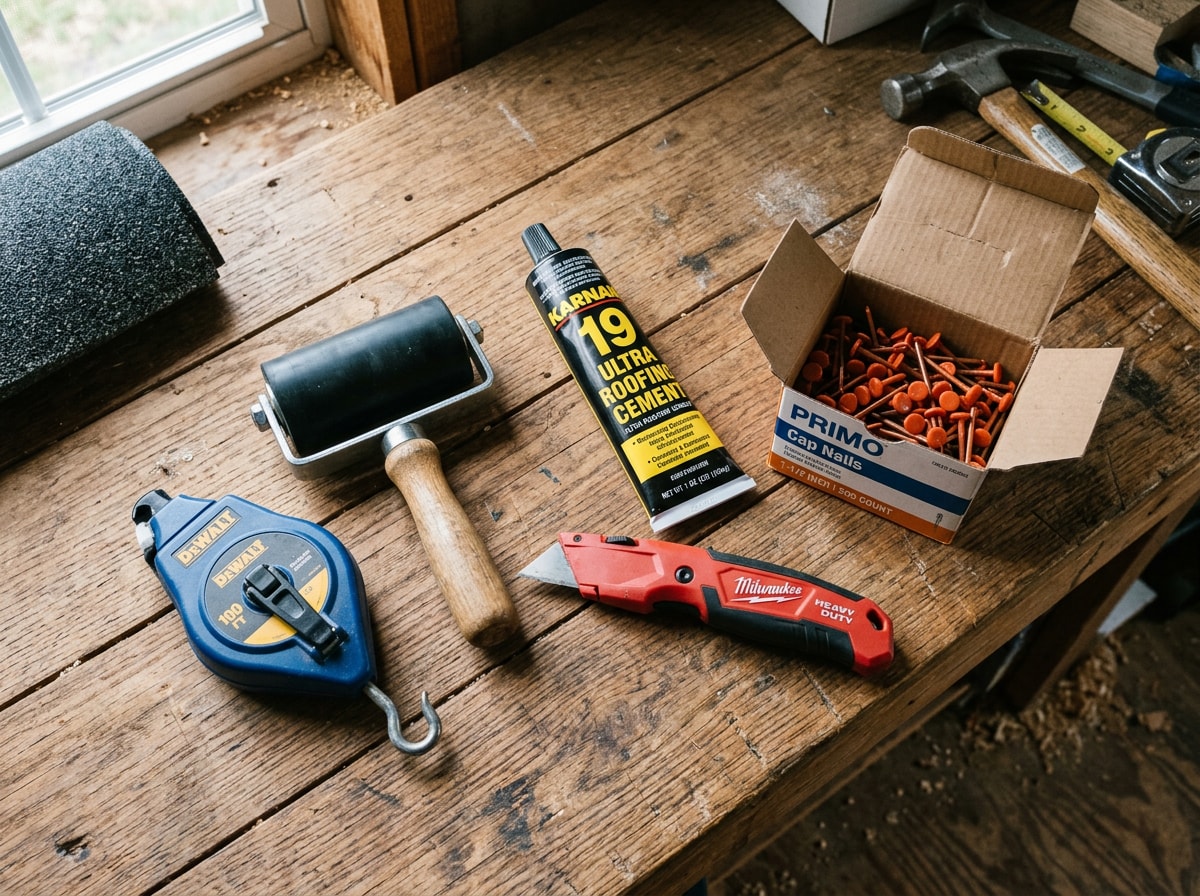
A complete roll roofing job needs:
- Roofing cement
- Roofing nails or cap nails
- A sharp utility knife
- A chalk line for straight cuts
- A roller for pressing down seams
- Drip edge for the perimeter
- Underlayment to protect the deck
Having everything staged before you start keeps the install moving and reduces wasted trips up and down the ladder. Buy a bit more material than your measurements suggest. Roll roofing is sold in set widths, and trimming waste adds up quickly on anything but a perfectly rectangular roof.
Steps to Installing Roll Roofing
Once prep is done, the installation follows a predictable sequence: prepare the surface, measure and cut, apply adhesive if needed, fasten the material, seal the seams, and finish with a final check. Each step builds on the last, so skipping ahead tends to create problems you'll have to undo.
Prepare the Roofing Surface
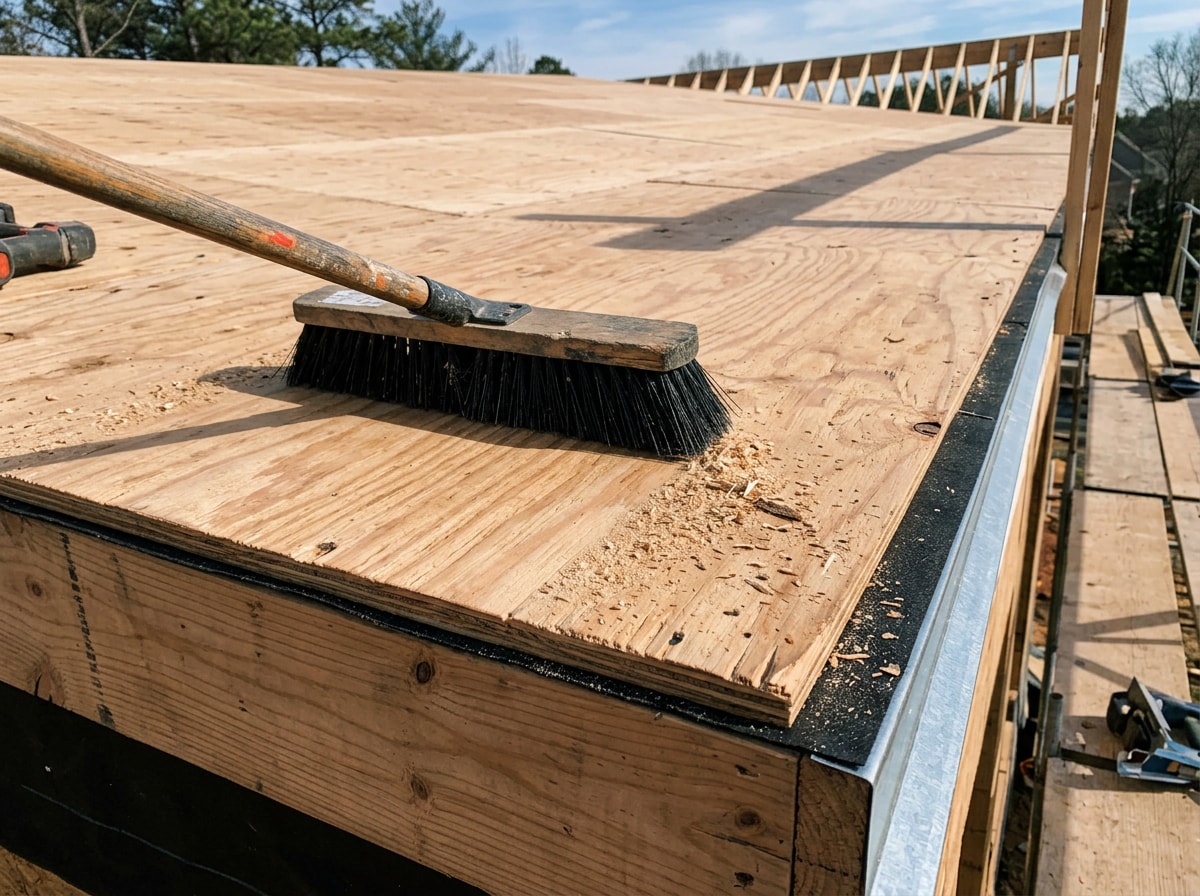
Clear away all debris, old nails, and loose granules from the deck before laying anything down. Any bumps or leftover fasteners will telegraph through the new roll roofing and create weak points.
If you found rot or soft decking during inspection, replace those sections now rather than roofing over them. A clean, dry, structurally sound surface is the foundation every other step depends on.
Measure and Cut the Roll Roofing
Measure the full roof plane, including enough extra material for a slight overhang past the edge for proper water runoff. Roll roofing typically comes in 36-inch-wide rolls, so plan your layout to minimize seams across the field.
Cut sheets a few inches long, then trim to final length once positioned. It's easier to shave material off than to stretch a sheet that's too short. Use a straightedge and sharp utility knife for clean, straight cuts.
Best Temperature for Installing Roll Roofing
Cold roll roofing turns stiff and brittle, and flexing it in that state can crack the surface before it ever sees a storm. Most manufacturers recommend installing at 50°F or warmer so the material lies flat and cement cures properly.
If you have to work in cooler weather, cut the sheets and let them lie flat indoors or in a heated garage for several hours first. Bixby's spring and fall shoulder seasons are usually the easiest window for a DIY install without fighting either summer heat or winter cold.
Apply Adhesive if the Material Requires It
Not every roll roofing product needs adhesive. Nail-down systems rely primarily on cap nails, while self-adhesive or fully adhered systems need roofing cement applied either in strips or across the full surface.
Check your product's installation instructions before assuming either way. Exposed-nail methods are faster but leave fastener heads vulnerable to weathering, while adhesive-based methods cost a bit more in labor and material but seal more completely. Many installers use a hybrid approach: nails for primary attachment, cement at seams and edges for extra protection.
Position and Secure the Roll Roofing
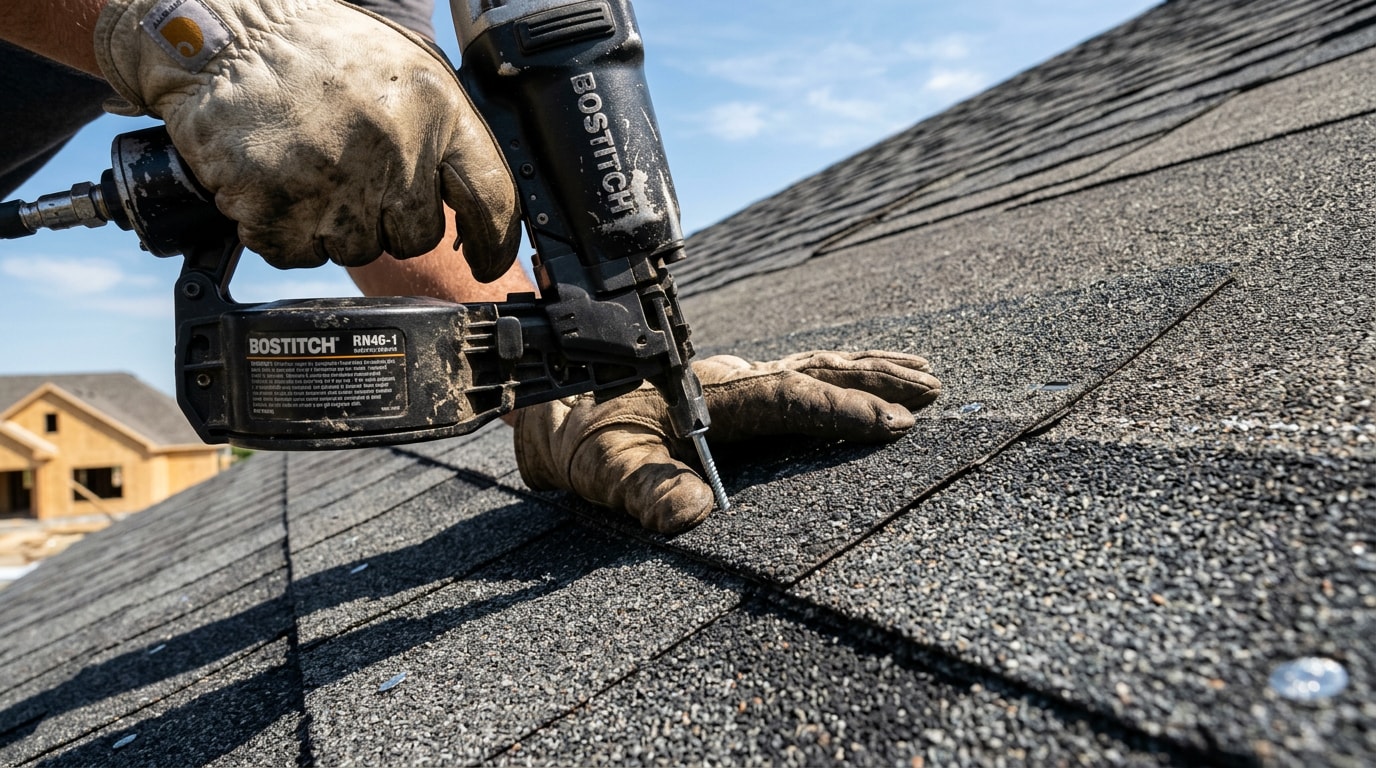
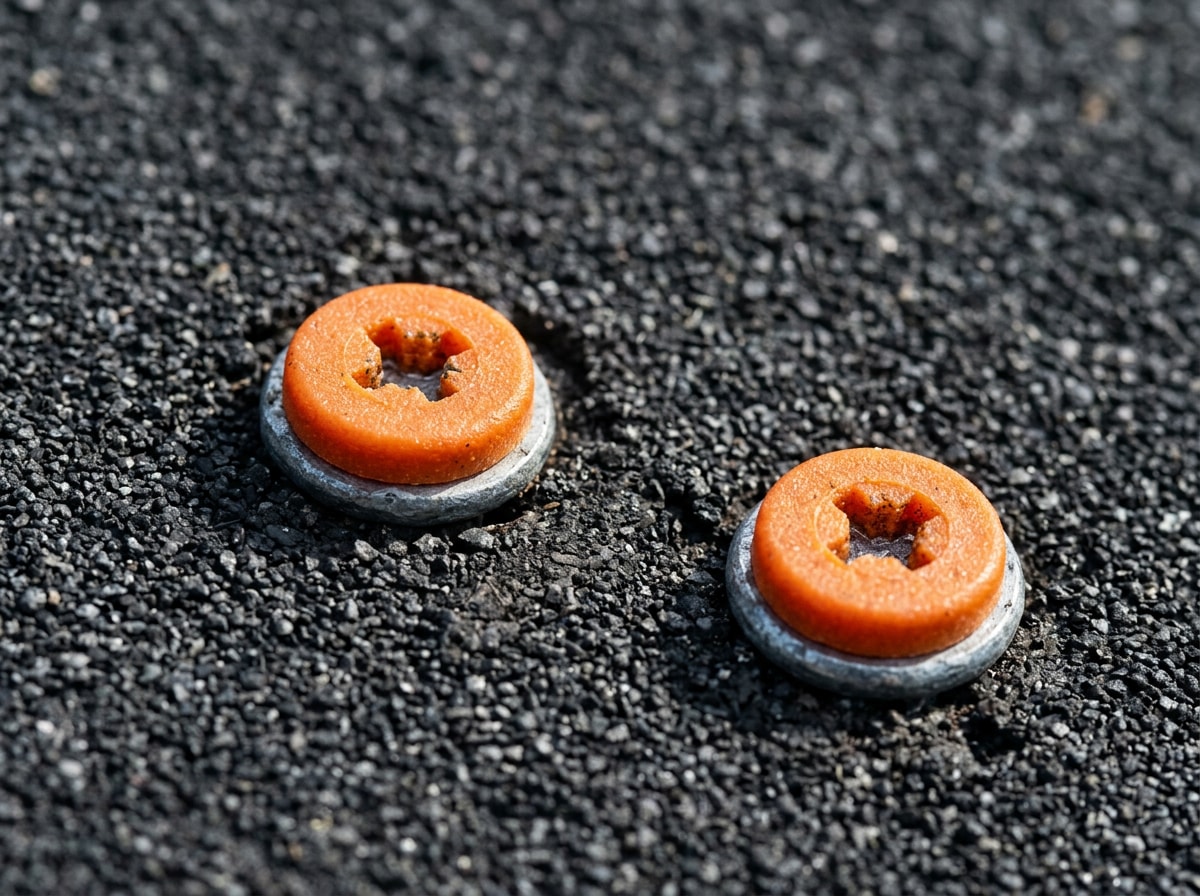
Lay the first course along the lowest edge of the roof and work upward, so each row overlaps the one below it. Roofing nails or cap nails should be spaced roughly every 2 to 3 inches along the edges and in a staggered pattern across the field, following the manufacturer's spacing chart.
Cap nails are worth the extra cost over standard roofing nails. The wider plastic cap distributes pressure and resists pulling through the material in high wind. Drive nails flush, not overdriven; punching through the surface defeats the purpose of fastening it down.
Seal the Seams and Edges
Overlap each course by at least 2 inches, more in areas prone to pooling water. Run a bead of roofing cement along every seam and press it down firmly with a roller to eliminate air pockets.
Pay special attention to edges, valleys, and anywhere the roofing meets a wall or penetration. These are the spots most likely to leak if sealing is rushed. A properly sealed seam should feel uniform under your hand, with no gaps or lifted edges.
Finish the Installation
Walk the entire roof once more, checking for any missed nails, unsealed seams, or lifted corners. Clean up debris, excess cement, and cut-off scraps before calling the job done.
A final inspection now is far cheaper than discovering a leak during the next heavy rain.
Installation Methods
Roll roofing isn't a single product. It comes in a few distinct types, each suited to different budgets, roof shapes, and climate conditions. Picking the right one for a Bixby-area roof means weighing upfront cost against how long you want the roof to last.
Asphalt Roll Roofing Installation
Standard asphalt roll roofing is typically installed using roofing cement applied in a mop-down or strip pattern, combined with nail fastening at the edges. It's the most widely used and most affordable option for sheds, low-slope additions, and budget-conscious roofing needs.
Here's how the three common types stack up for a Bixby/Tulsa-area climate:
| Type | Relative Cost | Labor Difficulty | Typical Lifespan | Climate Fit (Bixby, OK) |
|---|---|---|---|---|
| Asphalt (mop/cement) | Lowest | Moderate | 5-10 years | Good for dry-season installs; cement needs warm temps to cure |
| Self-adhesive (peel-and-stick) | Mid-range | Easier | 10-15 years | Strong choice for humid summers; less temperature-sensitive |
| Mineral-surfaced | Mid-to-high | Moderate | 8-12 years | Better UV and hail resistance for Oklahoma storms |
Self-Adhesive Roll Roofing
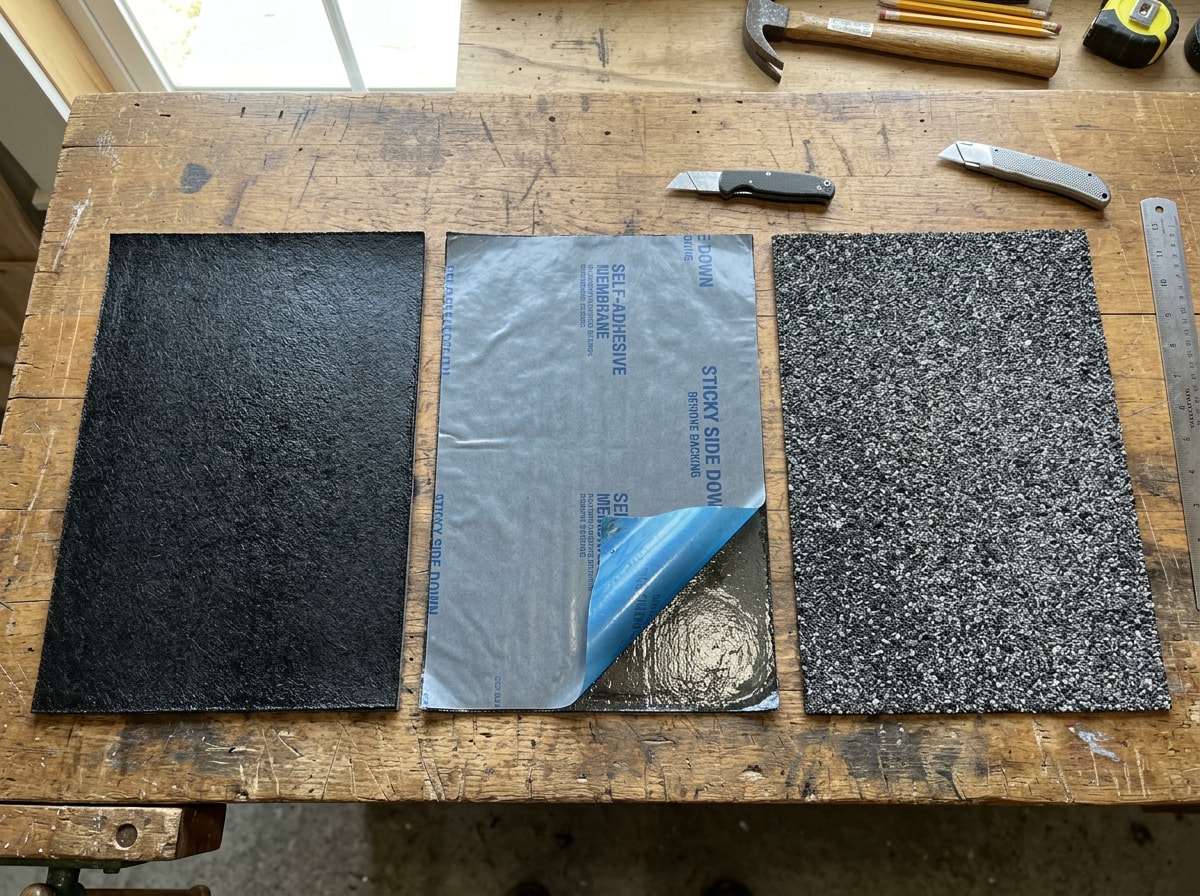
Self-adhesive, or peel-and-stick, roll roofing skips the torch or cement step entirely. You remove a backing film and press the material directly onto the prepared deck. It's commonly used on porches, small additions, and DIY projects where open-flame or heavy cement work isn't practical.
Because it doesn't depend on cement curing in the heat, it tends to be more forgiving to install correctly across variable weather.
Mineral-Surfaced Roll Roofing
Mineral-surfaced roll roofing has a layer of ceramic granules embedded in the surface, giving it more UV resistance and a slightly more finished look than smooth-surfaced asphalt rolls. It installs similarly to standard asphalt roll roofing but holds up better against sun exposure and light hail.
The granulated surface does make seams a touch trickier to seal flush, so extra attention with the roller is worth the time.
What Do You Put Under Roll Roofing?
Most roll roofing installations call for either asphalt-saturated felt or synthetic underlayment laid directly on the deck before the roofing material goes down. Felt is the traditional, lower-cost choice, while synthetic underlayment offers better tear resistance and moisture protection in humid climates like Oklahoma's.
Some self-adhesive roll roofing products are designed to bond straight to a primed deck without a separate underlayment layer, so check the manufacturer's specifications before skipping this step. When in doubt, an extra layer of protection costs little compared to a future leak repair. Our roof installation services page covers underlayment options in more detail if you're deciding between products.
Do You Use Drip Edge With Rolled Roofing?
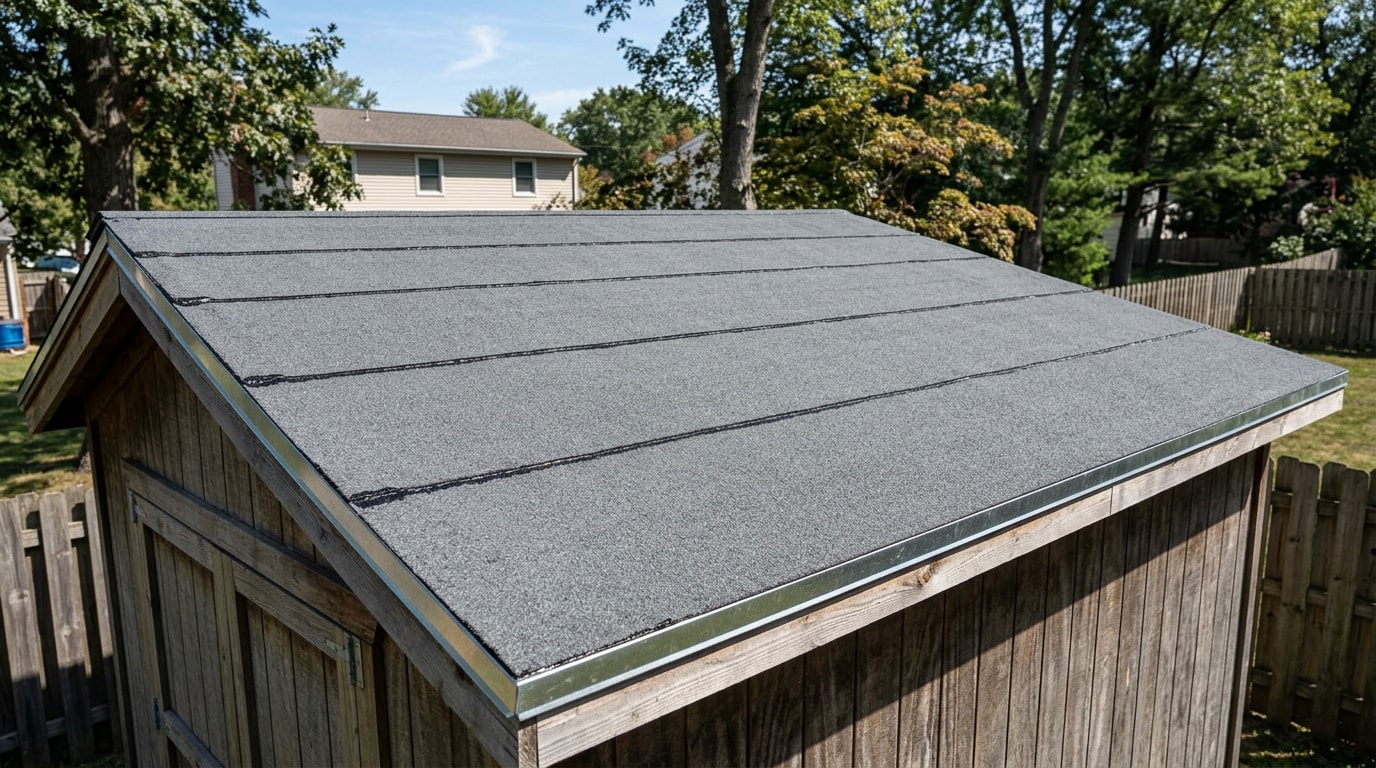
Yes, drip edge is recommended along the eaves and rakes of a roll roofing installation. It directs water away from the fascia and roof deck edges, preventing the rot and water intrusion that untreated edges are prone to over time.
Installing drip edge underneath the underlayment at the eaves and over it at the rakes follows standard roofing practice and helps the whole system shed water the way it's designed to.
What Is the Best Roof Pitch for Rolled Roofing?
Roll roofing is built for low-slope applications, generally performing best on roofs with a pitch between 1:12 and 4:12. Steeper slopes typically call for asphalt shingles or other materials better suited to shedding water quickly on an incline.
How Many Layers of Roll Roofing Can Code Allow?
Oklahoma's adopted building code is based on the ICC family of model codes, the same codes most U.S. jurisdictions use. Under the IRC's reroofing section, a roof recover shall not be permitted where any of the following conditions occur , most commonly when the existing roof already carries multiple layers or shows water damage to the deck. You may hear contractors refer to a "25% rule" limiting how much of a roof can be recovered before a full tear-off is required; that specific threshold comes from certain state and local existing-building codes rather than the base IRC itself. Always confirm the exact rule your Bixby building department enforces before planning a recover job over an aging roof, and review the ICC's published IRC roof assemblies chapter for the baseline reroofing provisions.
What Are the Disadvantages of Roll Roofing?
Roll roofing trades long-term durability for affordability. Its seams are more vulnerable to leaks than a fully adhered membrane, its surface wears faster under UV exposure, and it generally lasts years less than architectural shingles.
Aesthetically, it's also a utilitarian material. Most homeowners reserve it for sheds, workshops, and additions rather than a primary home roof. If a seam does start leaking down the road, catching it early through roof repair service is far cheaper than letting water reach the deck.
Is Rolled Roofing as Good as Shingles?
Not for most primary residential roofs. Asphalt shingles generally outperform roll roofing in lifespan, wind resistance, and aesthetics, which is part of why shingles dominate the market. Accounting for 86% of re-roofs across the United States, asphalt shingles perpetuate the cycle of dominance , according to IBHS research on roof cover performance.
Roll roofing earns its place on low-slope structures where shingles aren't practical and where upfront cost matters more than a multi-decade lifespan. For the right application, a shed roof or porch addition, it's a reasonable, cost-effective choice, just not a shingle replacement on a main house roof.
How Long Will a Rolled Roof Last?
A properly installed roll roof typically lasts 5 to 15 years, depending on the product type, installation quality, and climate exposure. Self-adhesive and mineral-surfaced products tend toward the higher end of that range, while basic mop-applied asphalt rolls tend toward the lower end.
Warranty terms vary significantly by manufacturer and product grade, so check the specific documentation that comes with your material rather than relying on a general rule of thumb. The NRCA's roofing guidelines are developed by its Technical Operations Committee and cover installation standards across roof system types, which is a useful reference point for realistic performance expectations. Regular maintenance and prompt seam repairs can push a roof toward the upper end of its expected lifespan.
Why Do Insurance Companies Not Like Roll Roofing?
Insurers often view roll roofing as higher-risk because of its shorter lifespan, seam-related leak potential, and generally lower wind and hail resistance compared to shingles or membrane systems. Some carriers limit coverage or charge higher premiums on homes with roll roofing as the primary roof covering, particularly on a main dwelling rather than an accessory structure.
Severe winds cause billions of dollars in property loss each year, and IBHS believes better products on roofs and better installation and repair methods will result in reduced losses. Research from the Insurance Institute for Business & Home Safety is part of what shapes how insurers assess roofing risk industry-wide. If insurability is a concern, ask your carrier directly before installing roll roofing on anything beyond a detached shed or outbuilding.
Cost of Roll Roofing Installation
Roll roofing typically runs $1 to $3 per square foot for materials. Oklahoma pricing tends to sit near the national average, though costs can shift based on roof accessibility, material grade, and seasonal demand.
| Cost Factor | Typical Range |
|---|---|
| Materials only | $1-$3 per sq. ft. |
| Installed cost (materials + labor) | $150-$350 per roofing square |
| DIY labor cost | $0 (your time and tools) |
DIY installation saves on labor but requires the time, tools, and physical capability to do the job correctly and safely. For an accurate estimate based on your specific roof, request a free estimate from a local contractor familiar with Bixby-area building requirements.
Advantages of Roll Roofing
Affordability is the biggest draw. Roll roofing costs a fraction of shingles or membrane systems per square foot, and it installs quickly, which keeps labor costs down even when hiring a professional crew.
It's particularly well-suited to low-slope structures like sheds, detached garages, porch roofs, and small additions where a premium roofing system isn't necessary. For budget-conscious projects on secondary structures, it remains one of the most practical options available.
Browse our roofing contractor services to see which roofing systems fit your project, whether that's roll roofing for an outbuilding or a full roof replacement for your main home.
FAQ
Can I Install Roll Roofing Myself?
Yes, roll roofing is one of the more DIY-friendly roofing materials, especially for small, low-slope structures like sheds. Proper sealing, fastening, and safety precautions still matter; if you're not comfortable on a ladder or unsure about local code requirements, hiring a professional is the safer route.
Can Roll Roofing Be Used on Flat Roofs?
Yes, roll roofing is designed for flat and low-slope roofs, generally performing best between a 1:12 and 4:12 pitch. It's a common choice for additions, porches, and outbuildings where steeper-slope materials like shingles aren't appropriate.
Is Self-Adhesive Roll Roofing Durable?
Self-adhesive roll roofing holds up reasonably well, often lasting 10 to 15 years when installed correctly. Its fully bonded surface reduces seam vulnerability compared to nail-only asphalt rolls, which helps it resist wind uplift and water intrusion.
Do You Have to Glue Down Rolled Roofing?
Not always; it depends on the product. Some roll roofing systems rely on nail fastening alone, while others, especially self-adhesive types, require cement or adhesive at seams and edges for a complete seal.
How Much Overlap Does Roll Roofing Need?
Plan for at least a 2-inch overlap on horizontal seams between courses, and more in any area where water tends to pool. Every overlap should get a bead of roofing cement pressed flat with a roller, not just a dry lap joint.
Can I Put Roll Roofing Over Existing Roll Roofing?
Sometimes, but it depends on the condition and number of existing layers already on the roof. Building codes generally limit how much recovering is allowed before a full tear-off is required, so check with your local building department before layering new material over old.
---
Reviewed by the licensed roofing crew at AH Roofing Contracting, serving Bixby, OK and the greater Tulsa metro area. Have questions about your specific roof? Contact us for a free estimate before you buy materials.