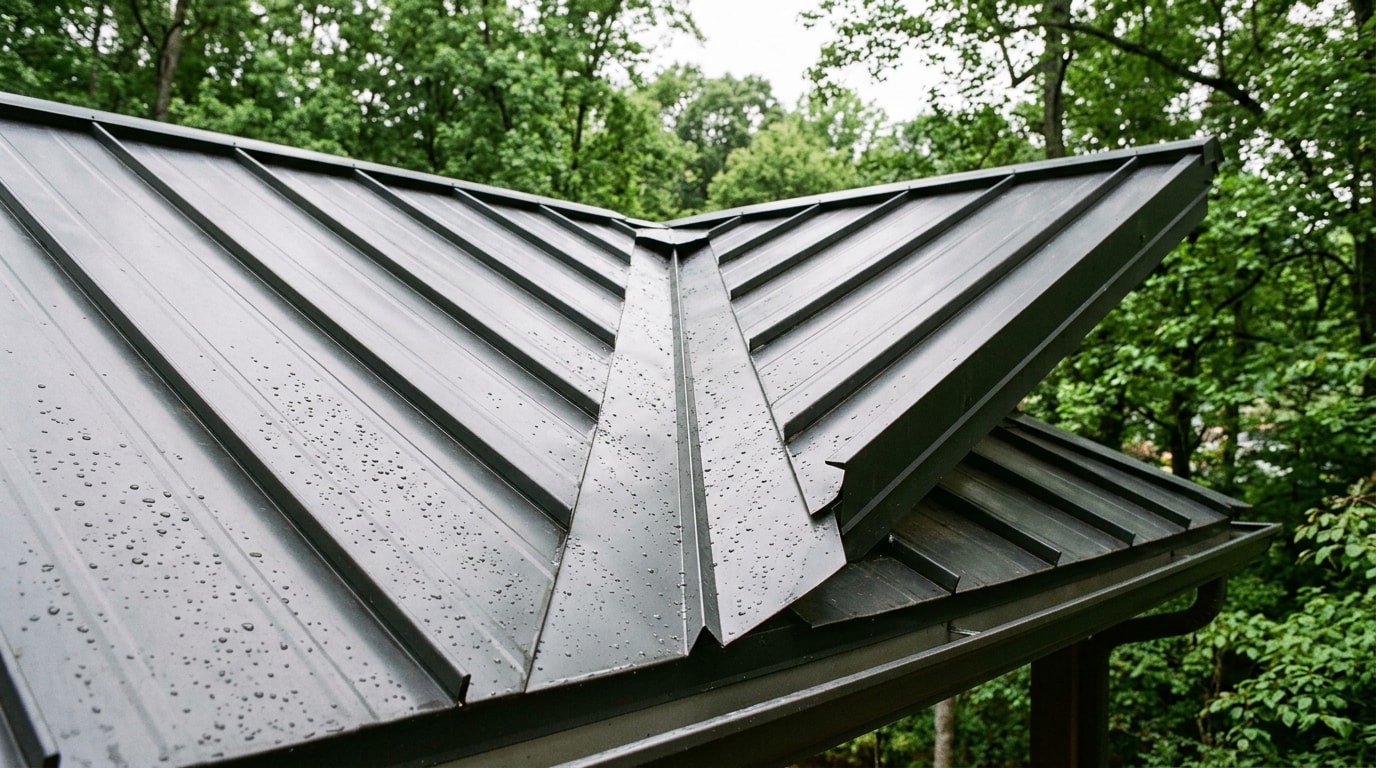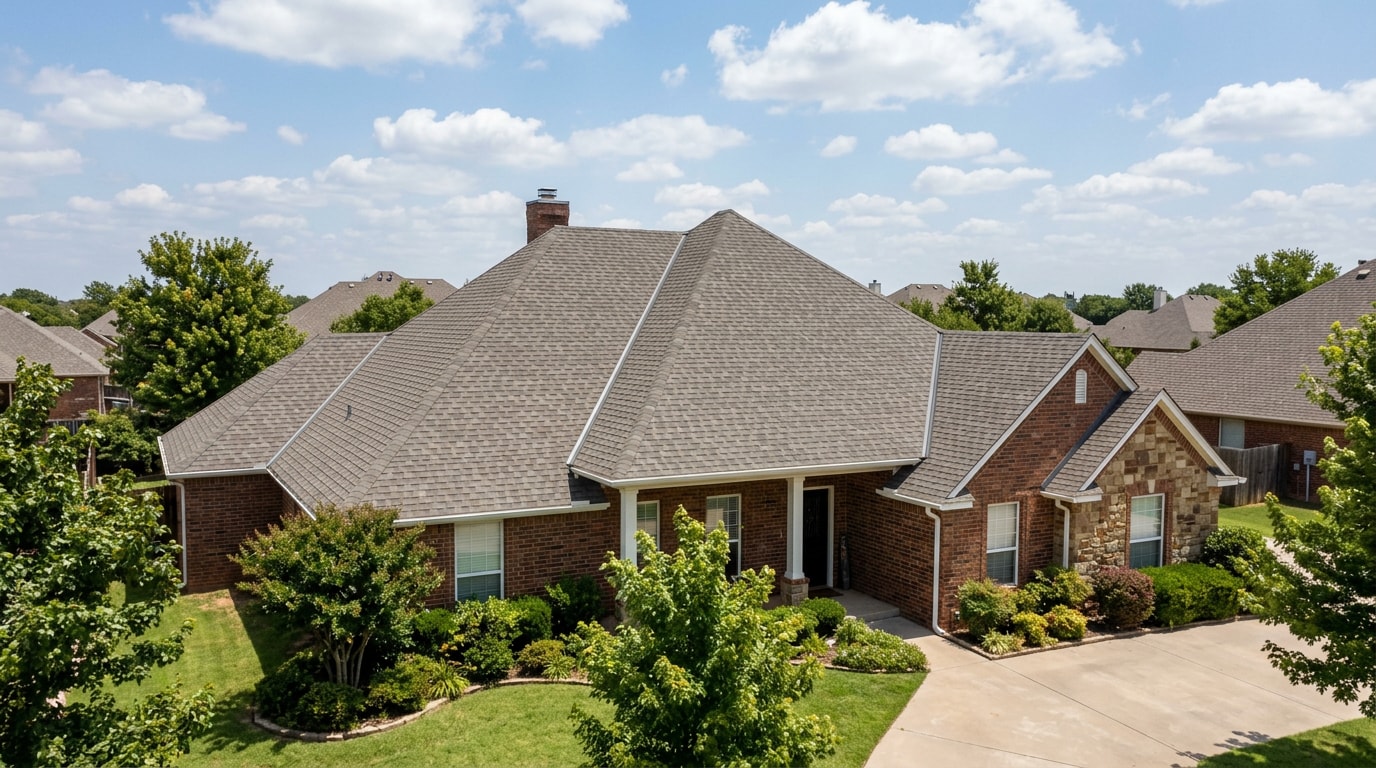
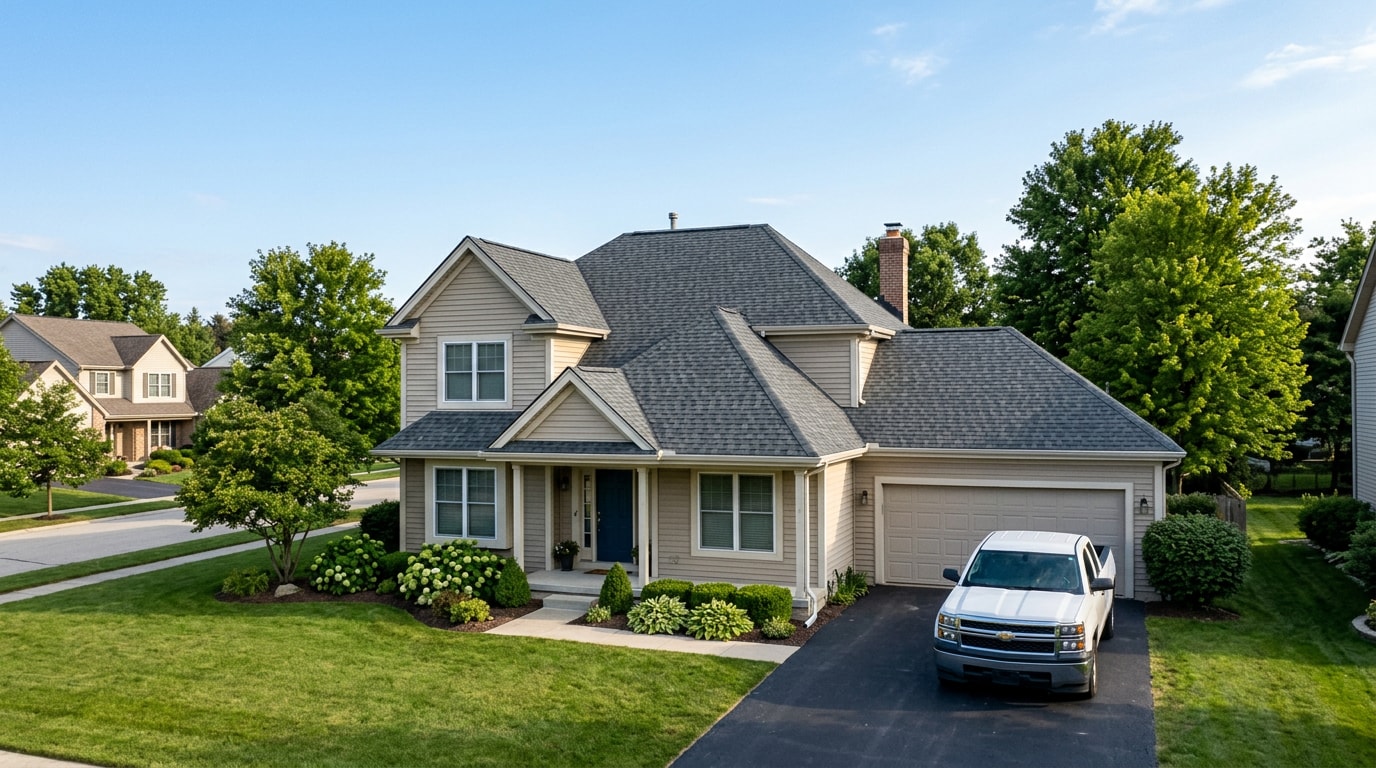
Roofing financing available in Broken Arrow, OK turns a $9,000-$25,000 roof replacement into a monthly payment instead of one lump-sum bill. Before you sign anything, you need to know which financing type actually fits your situation, what insurance will and won't pay, and what a contract should spell out in writing. This guide covers all three, with real numbers behind each option.
Roofing Financing Options Available to Broken Arrow Homeowners
Most homeowners paying for a roof without cash on hand choose from four paths: a short-term 0% promotional plan, a fixed-rate personal loan, a home equity loan or HELOC, or a contractor's in-house payment plan. Each works differently, and the right fit depends on your credit, your timeline, and whether you want your home used as collateral.
| Financing Type | Typical Term | Collateral | Speed to Fund | Best Fit |
|---|---|---|---|---|
| 0% promotional plan | 6-18 months | None (unsecured) | Days | Homeowners who can pay off the full balance before the promo period ends |
| Fixed-rate personal loan | 2-7 years | None (unsecured) | 1-5 days | Homeowners who want predictable payments without risking the home |
| Home equity loan / HELOC | 5-20 years | Home (secured) | 2-6 weeks | Larger projects where a lower rate offsets the wait and the lien |
| In-house contractor payment plan | Varies by contractor | Varies | Often same day as contract signing | Homeowners who want one point of contact for both the work and the payment |
A home equity loan or HELOC usually carries a lower rate because your house secures the debt, but it also means if you fall behind or can't repay the loan on schedule, you could lose your home . A personal loan skips that risk but typically costs more in interest. A home equity loan may offer a lower interest rate or a longer term, but it requires your home as collateral, while an unsecured personal loan requires no collateral .
If you're weighing a HELOC specifically, the Consumer Financial Protection Bureau's HELOC guide is worth reading before you apply. Whichever route you lean toward, a roof inspection and a written estimate give you the real project cost you'll need to compare loan offers apples-to-apples.
How Much Does a New Roof Cost in Broken Arrow?
A typical asphalt shingle roof replacement in the Broken Arrow area runs roughly $9,000 to $25,000 for an average-sized home, depending on roof size, pitch, material choice, and how much of the old roof needs to be torn off. Contractors often price jobs by the cost per square (a 10x10-foot section), and a moderately complex roofline can add several thousand dollars over a simple gable design.
Here's how paying cash compares to financing on a $15,000 roof, a reasonable midpoint for the area:
- Cash payment: No interest, but it requires having $15,000 available immediately.
- Financed over 60 months: Depending on the lender, rate, and terms, the same project might translate to a monthly payment somewhere in the $280-$340 range.
Financing spreads the cost out but adds interest over time, while cash avoids interest but ties up savings. Neither option is automatically "better." It comes down to what your emergency fund can absorb versus what a few years of interest will actually cost you.
Will Home Insurance Cover Your Roof Replacement?
Home insurance typically covers roof damage from sudden events like hail or wind storms but excludes gradual wear and tear, meaning a roof that's simply old usually isn't a covered claim. Whether a claim gets approved often comes down to documented storm damage within a reasonable timeframe of the event.
Two terms matter here: ACV and RCV.
- Actual Cash Value (ACV): Pays the depreciated value of your roof.
- Replacement Cost Value (RCV): Pays the full cost to replace it, sometimes with a portion held back until the work is done.
The gap between the two can be substantial. In one real-world example published by state insurance regulators, two neighboring families filed identical $15,000 roof claims with the same $1,000 deductible. The family with an RCV policy was reimbursed the full cost of the roof repair minus their deductible, while the family with an ACV policy was only paid for the current value of the roof minus depreciation and their deductible . That difference is often exactly where financing steps in, covering the deductible or the ACV-to-RCV gap so the project can move forward without a cash shortfall. You can read the full breakdown of ACV versus RCV on a roof claim from the National Association of Insurance Commissioners.
For homeowners weighing this option, the roof replacement page outlines what the process typically involves, and roof repairs covers smaller jobs that may not need a full claim at all.
Signs Your Roof Needs Repair or Replacement
Before financing makes sense, confirm you actually need a new roof rather than a patch job.
- Roof age: Most asphalt shingle roofs in this region last 20 to 25 years; anything older deserves a closer look.
- Granule loss: Check gutters and downspouts for a buildup of loose granules.
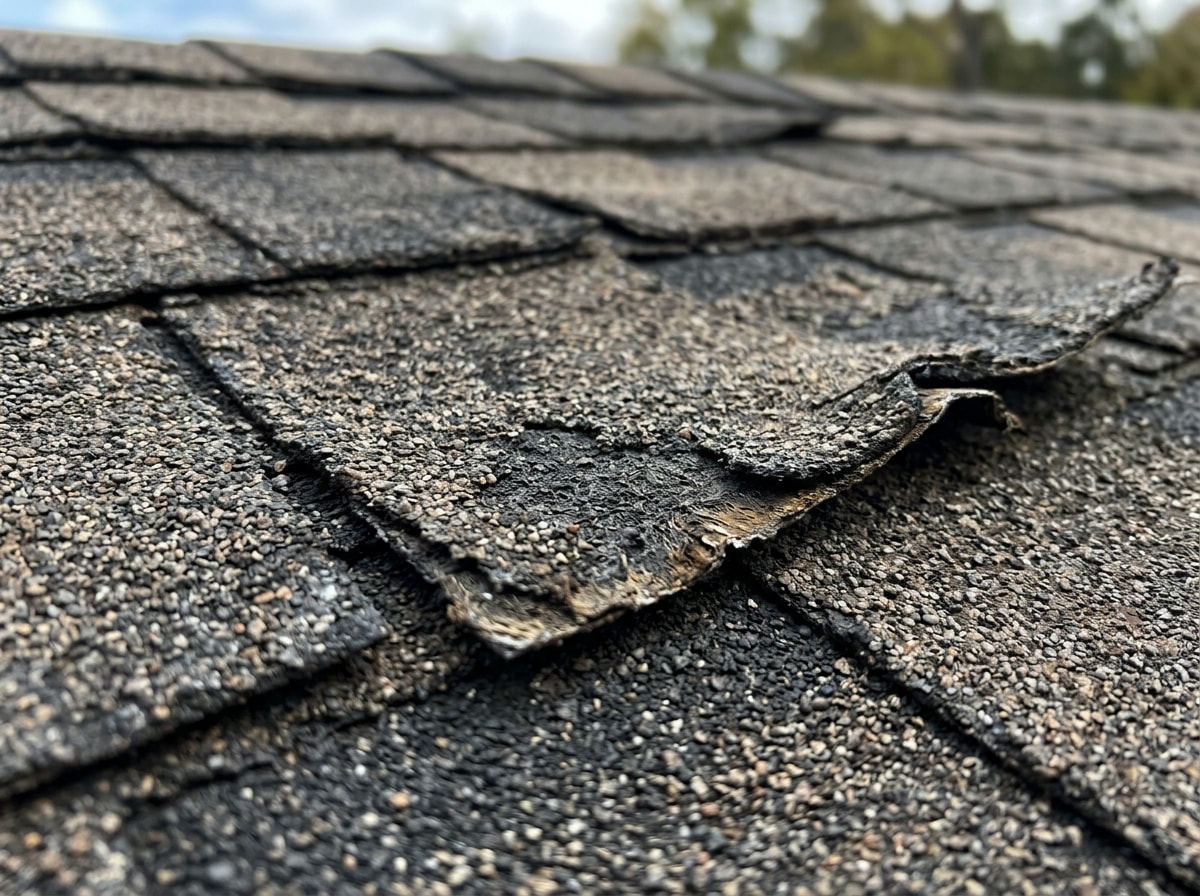
- Curling or cupped shingles: A sign the shingle mat is breaking down from heat and age.
- Interior leaks: Water stains on ceilings or in the attic mean the problem has already gotten past the roof deck.
- Sagging deck: Any dip or soft spot in the roofline is a structural red flag, not a cosmetic one.
A professional inspection is the fastest way to settle the repair-versus-replacement question with confidence. If storm damage is part of the picture, our guide to roof waterproofing services in Broken Arrow covers how leaks get stopped before they become a bigger claim.
Reading a Roofing Contract Before You Sign
Any financed roofing project should start with a clear, written contract, never a verbal agreement or a handshake deal. Before signing anything, confirm these items:
- Payment schedule: When deposits, progress payments, and the final balance are due.
- Deposit size: A reasonable deposit is a modest percentage of the total cost, not the majority of it upfront.
- Scope of work: Material brands, tear-off details, and cleanup responsibilities spelled out line by line.
- Warranty terms: Both manufacturer and workmanship warranties, in writing.
- Financing disclosures: If financing is part of the deal, the APR, loan term, and any deferred-interest triggers should be written down, not just mentioned verbally.
Be wary of any contractor asking for full payment before work begins. Oklahoma homeowners can check contractor registration requirements directly through the Oklahoma Construction Industries Board before committing to a contract or a financing plan.

A trustworthy quote breaks down materials, labor, tear-off, disposal, and permit fees separately rather than handing you a single lump-sum number. That itemized breakdown is also what any financing plan is built on. Lenders and in-house payment plans calculate terms based on the total project cost, so a vague estimate can lead to surprise add-ons mid-project that your financing doesn't account for. Ask for the breakdown in writing before agreeing to any payment plan, financed or otherwise.
Choosing a Roofing Contractor With Financing in Mind
Start with the basics: confirm the company is licensed and insured, ask for examples of recent local work, and request a detailed written estimate before any money changes hands. Warranty terms deserve the same scrutiny as price.
Financing availability is worth asking about, but it shouldn't be the deciding factor. A 0% promotional rate doesn't offset poor workmanship or a thin warranty. Weigh financing alongside licensing, insurance, and warranty coverage, not ahead of them.
You can see examples of completed local work on our projects page, and homeowners in the area can check the Broken Arrow service page for local scheduling details. If a leak can't wait for a full financing conversation, emergency roof repair is worth a same-day call.
Best Time of Year to Replace a Roof in Oklahoma
Late fall and early spring tend to bring lower demand and more scheduling flexibility than the peak storm-repair months of late spring through summer, when contractors are busiest handling hail and wind damage. Scheduling during a slower stretch can sometimes mean better pricing and a faster start date, which also means less total interest if you're financing the project.
Because roofing season in Oklahoma gets compressed around storm cycles, timing your project outside that rush is one more lever you can pull alongside insurance and payment plans. Ready to get a number to work with? Get a free estimate and ask about financing during that same conversation.
Explore the homepage for the full range of roofing, gutter, and painting services available across the Tulsa metro.
FAQ
Can I finance a roof replacement in Broken Arrow?
Yes. Financing may be available through a contractor's lending partner, a bank or credit union, a personal loan, or home-equity borrowing. Compare the cash price against the financed price, including APR, fees, term, and total repayment, before choosing an offer.
What is roof financing and how does it work?
Roof financing lets you pay for a replacement or major repair over time instead of all at once. A lender (or the contractor's in-house program) covers the project cost upfront, and you repay it in monthly installments with interest, unless you qualify for a 0% promotional term.
How to pay for a roof when you can't afford it?
Homeowners who can't pay cash upfront typically choose between contractor or lender financing, a home equity loan, a personal loan, or applying insurance proceeds if the damage is a covered claim. Home equity loans often carry lower rates but use your house as collateral, while personal loans are faster but may carry higher interest. The right choice depends on your credit, timeline, and whether insurance is covering part of the cost.
Should I choose a roofing company based on financing offers?
Financing availability matters, but it shouldn't outweigh workmanship, licensing, and warranty quality when choosing a roofer. A tempting 0% APR promotion from a contractor with a weak track record can cost more long-term than a slightly higher rate from a reputable one. Treat financing as one factor among several, not the deciding one.
What is the 25% rule for roofing?
The 25% rule is a common insurance-industry guideline suggesting that if storm damage affects roughly a quarter or more of a roof's surface, full replacement is often more appropriate than a patch repair. This threshold can influence how much of the project an insurer covers versus how much a homeowner needs to finance out of pocket.
Do I need a permit to replace a roof in Broken Arrow?
Permit requirements vary by municipality, so confirm with local building authorities before work begins. A roofing permit typically comes with a modest fee that should be factored into your overall project budget, financed or not.
Is $30,000 too much for a roof?
A $30,000 roof usually reflects a large home, a complex roofline, or premium materials like standing-seam metal or high-end architectural shingles. For a typical Broken Arrow home with standard asphalt shingles, that figure runs above average, but for larger or architecturally complex properties, it can be realistic. Financing can spread that total into a manageable monthly payment regardless of project size.