Steel roofing panels in Broken Arrow, OK typically run $3.50 to $12 or more per square foot installed, with the final number driven by gauge, panel profile, and coating. Oklahoma's hail, wind, and heat swings make those three specs matter more here than in milder climates. This guide breaks down pricing, panel types, coatings, local permitting, and the installation details that affect how long a steel roof actually lasts in Broken Arrow.
What Determines Steel Panel Pricing in Broken Arrow
Three variables move the price more than anything else: steel gauge, panel profile, and the protective coating.
Thicker, lower-gauge steel costs more but resists hail denting and holds up better on longer panel runs. Standing seam systems with concealed fasteners cost more to install than exposed-fastener corrugated panels because they require tighter tolerances and more labor per square foot. Roof pitch, number of penetrations, and whether the old roof needs a full tear-off also add to the total.
| Gauge | Typical Panel Profile | Installed Cost (per sq. ft.) | Best For |
|---|---|---|---|
| 29-gauge | Corrugated, exposed-fastener | $3.50–$5.50 | Sheds, barns, budget re-roofs |
| 26-gauge | R-panel / 5V-crimp, exposed-fastener | $5.50–$8.00 | Most residential and light commercial roofs |
| 24-gauge | Standing seam, concealed-fastener | $8.00–$12.00+ | Hail-prone areas, steep pitches, longer panel runs |
These ranges reflect material and labor costs our crews see on current Tulsa-metro projects. Actual quotes vary by roof complexity, trim and flashing detail, and whether decking repairs are needed. For an exact number on your roof, request a free estimate rather than relying on a square-foot average.
Panel Types: Corrugated, R-Panel, and Standing Seam
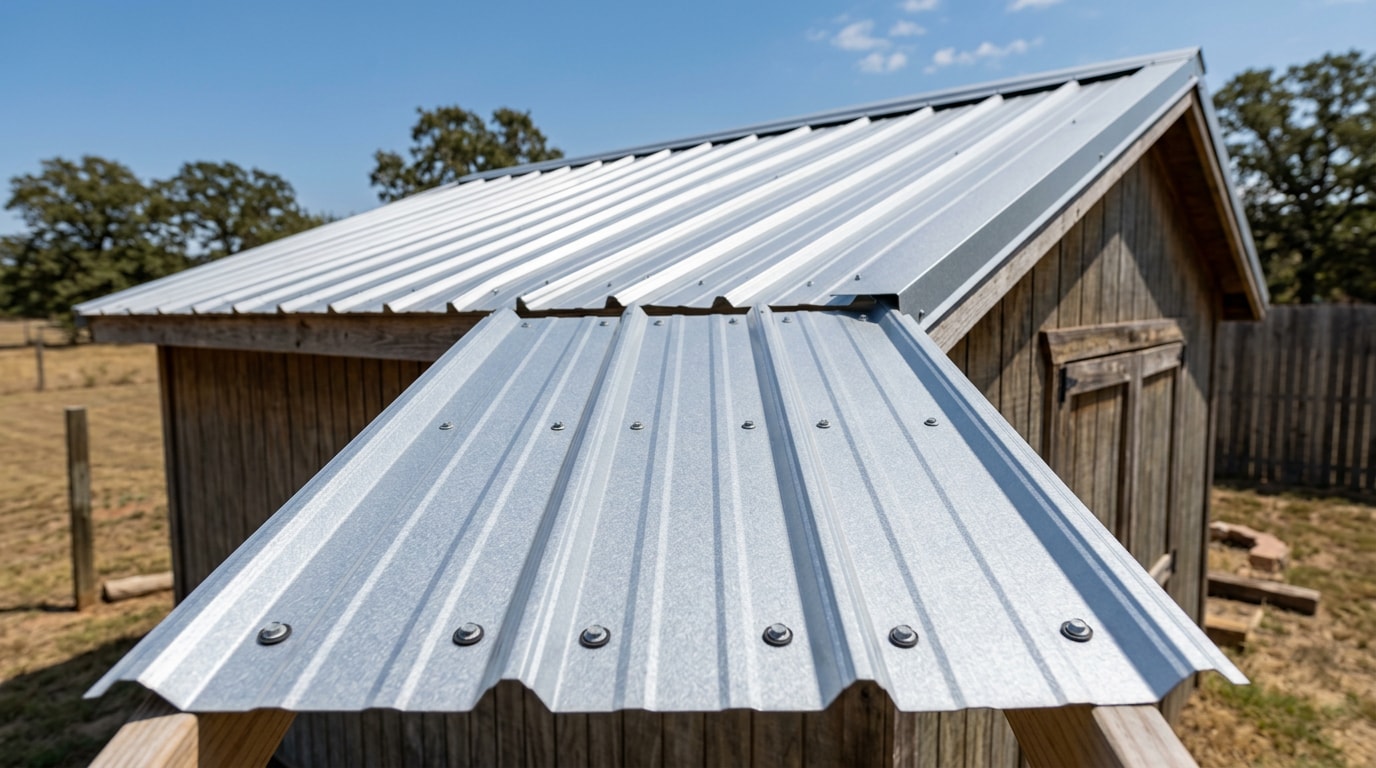
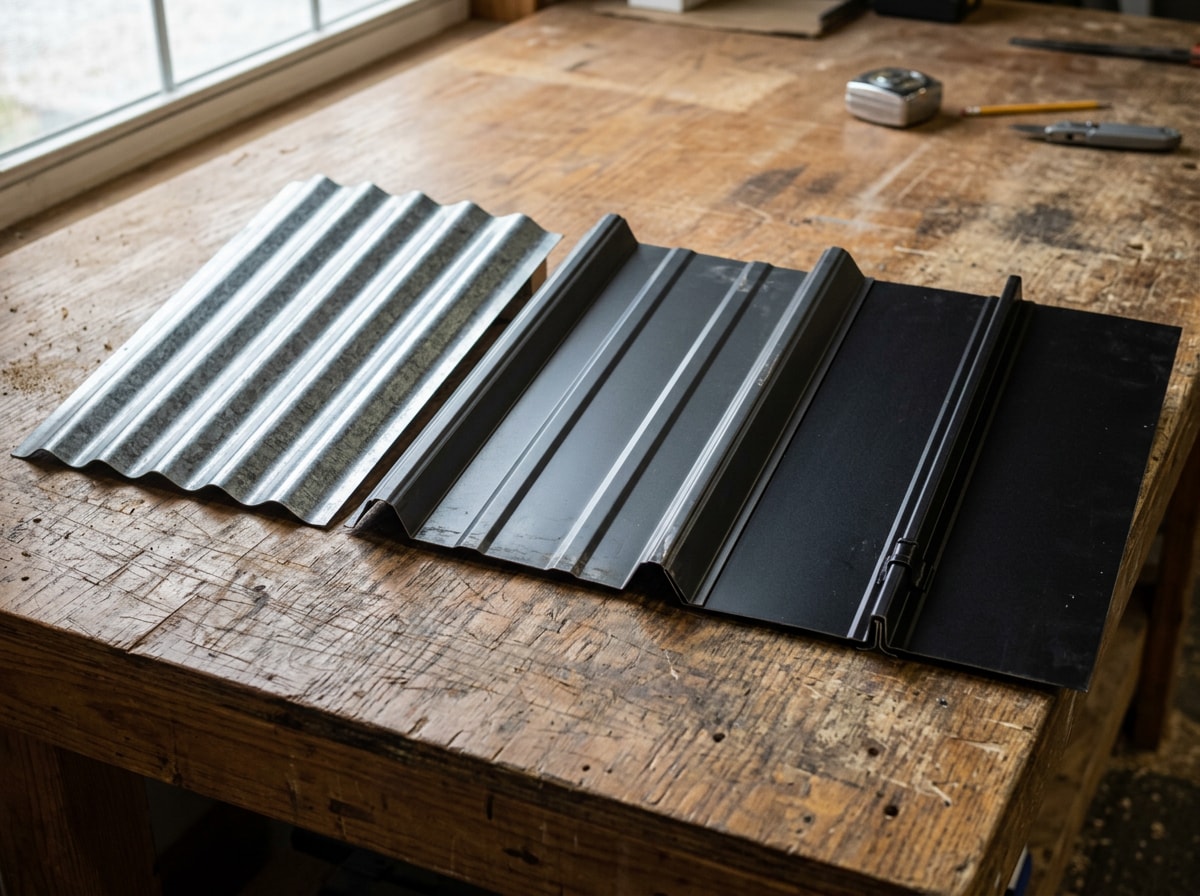
Corrugated panels use a classic wave profile with exposed fasteners and are the most common choice for sheds, barns, and budget-conscious residential re-roofs. R-panel offers a flatter, ribbed look with exposed fasteners as well, but its stiffer rib pattern gives it slightly more strength per square foot than traditional corrugated sheet.
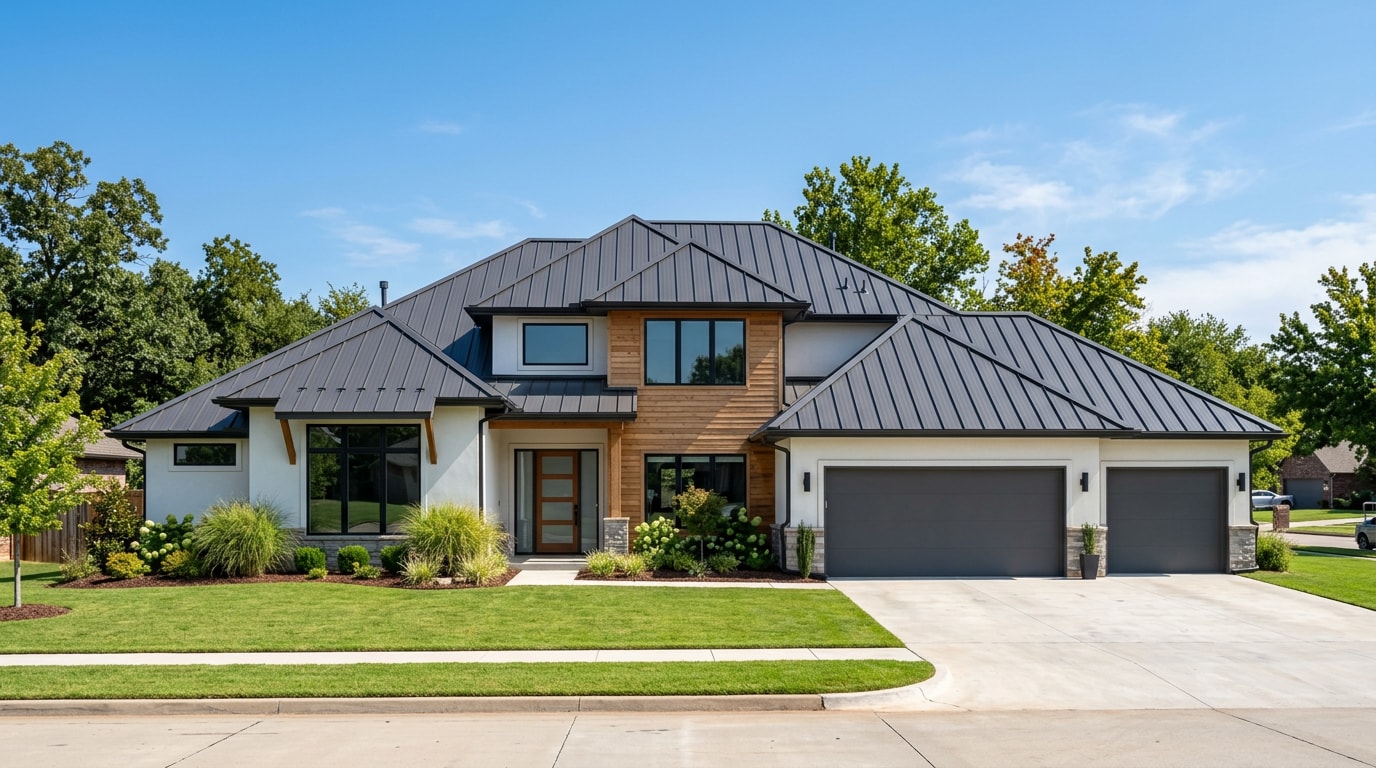
Standing seam is the step up from both. Panels interlock along raised seams with hidden fasteners, so there are no exposed screw heads for water, UV, or wind to work loose over time. That's why standing seam dominates higher-end residential installs and most commercial steel roofing in the area.
Galvanized vs. Galvalume Coatings
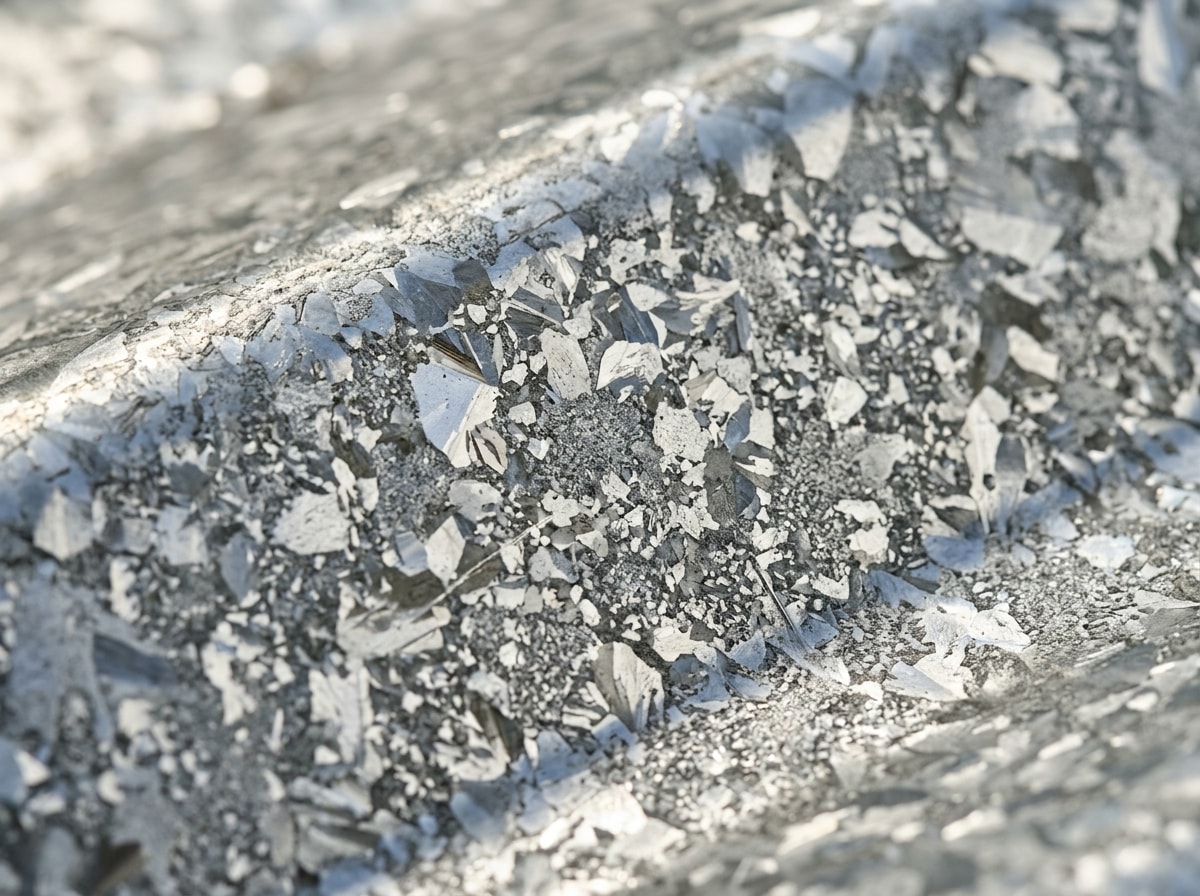
Galvanized steel uses a zinc coating bonded to the base metal for corrosion resistance. Galvalume blends zinc with aluminum, which generally extends coating life further, especially in humid or coastal conditions. Both perform well against Oklahoma's humidity swings and hail, though Galvalume is the more common choice on newer standing seam products because of its longer coating warranty.
| Coating | Composition | Typical Coating Warranty | Notes |
|---|---|---|---|
| Galvanized | Zinc | 20–30 years | Lower upfront cost, proven track record |
| Galvalume | 55% aluminum-zinc alloy | 25–40 years | Better long-term corrosion resistance |
Why Steel Holds Up to Broken Arrow Weather
Oklahoma sees frequent large hail and high straight-line winds, which is exactly the combination that wears down asphalt shingles fastest. Steel panels, particularly 24-gauge standing seam, resist denting and granule loss in a way shingles simply can't match over a 20-plus year span. NOAA's Storm Prediction Center tracks severe hail and wind events nationwide, and Oklahoma consistently ranks among the highest-frequency states for both.
If your roof has taken repeated hail hits over the years, it's worth getting a professional roof inspection before deciding between a repair and a full steel panel replacement.
Permits and Local Code in Broken Arrow
Broken Arrow sits in Tulsa County, and most re-roofing projects that go beyond a simple like-for-like repair require a city building permit. The city's Inspections division enforces code compliance through its own building, fire, and mechanical code amendments, so it's worth confirming current requirements before material gets ordered. The City of Broken Arrow publishes its adopted building codes directly, which is the most reliable source for current edition and amendment details.
A licensed contractor should handle permit pulls as part of a roof replacement or new roof installation, since missed permits can complicate insurance claims and resale down the line.
Installation, Replacement, and Maintenance
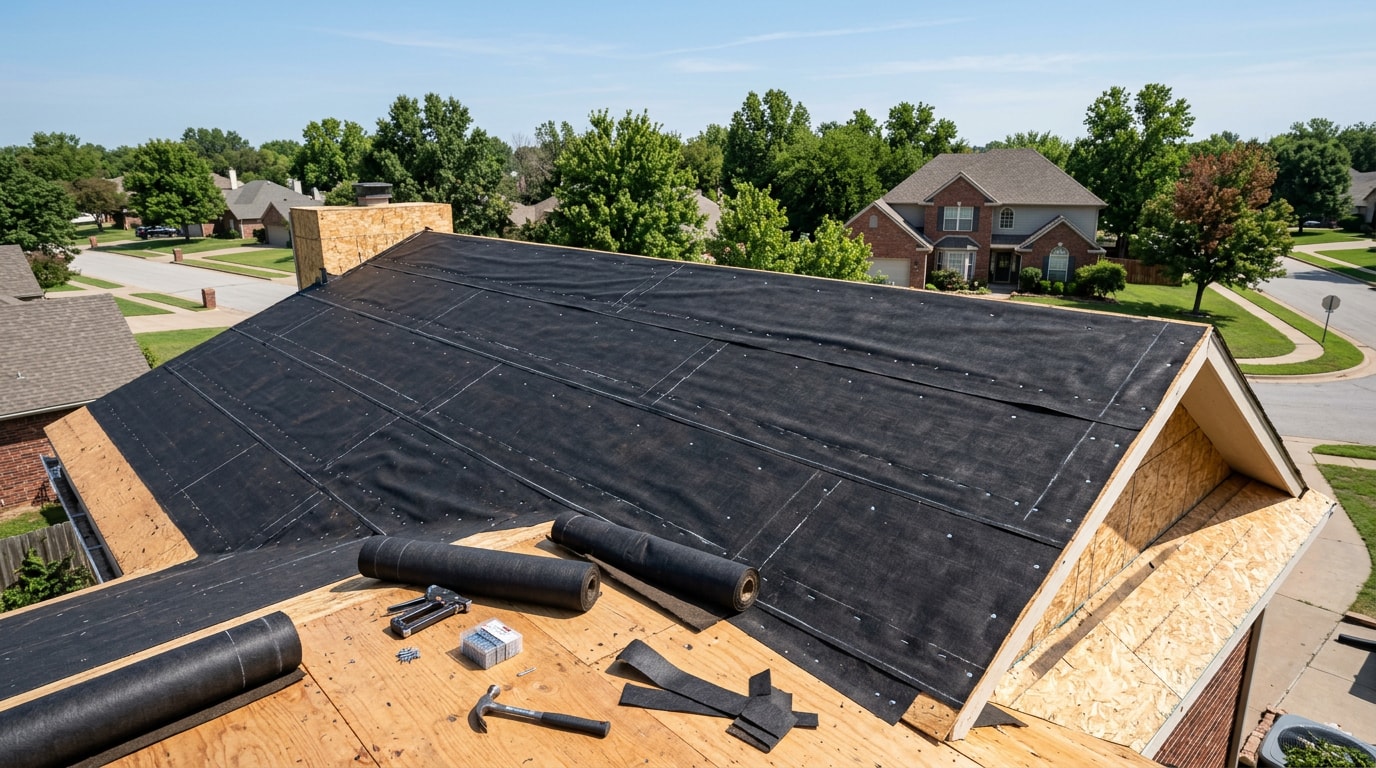
A steel panel re-roof typically includes a tear-off or overlay decision, a decking inspection, and new flashing at every valley and penetration. Skipping the decking check is one of the most common corner-cutting moves on budget installs, and it's the first thing that causes callbacks.
Once panels are installed, upkeep is minimal compared with shingles:
- Check exposed fasteners every year or two for backing out, especially on corrugated and R-panel roofs.
- Inspect coating for scratches or wear near walkways and equipment mounts.
- Clear debris from valleys and gutters so water doesn't pool against panel seams.
- Watch for oil-canning (visible waviness) on wide, flat panel runs, which is cosmetic but worth noting on a warranty inspection.
If you're comparing full-service providers before committing, our guide to the top roofing companies in Broken Arrow, OK covers what to look for beyond price alone.
At AH Roofing & Contracting, our crews install and repair steel panel systems throughout Broken Arrow and the surrounding Tulsa metro, and this pricing guide reflects what we're actually quoting on current jobs rather than a national average. If you want a number specific to your roof, get a free estimate before you start comparing bids.
FAQ
What is the average cost of replacing a roof in Oklahoma?
Steel panel roof replacement in Oklahoma generally runs $6 to $12 per square foot installed. That's a higher upfront cost than asphalt shingles, but it's offset by a much longer service life and fewer repair cycles.
Which is thicker, 24-gauge or 26-gauge metal roofing?
Lower gauge numbers mean thicker steel, so 24-gauge is thicker than 26-gauge. The upgrade to 24-gauge is worth it in Broken Arrow if your home sees frequent hail or high wind exposure, since it resists denting better. Otherwise, 26-gauge offers solid performance at a lower price point for most homes.
What is the 25% rule in roofing?
The 25% rule is a common code or insurance threshold stating that if repairs cover a significant portion of a roof section, the entire section may need to be replaced rather than patched. It varies by jurisdiction and insurer, so confirm the specific rule with your local building authority or carrier before planning a partial repair.
What time of year is cheapest to replace a roof?
Late winter and early spring tend to be the lowest-cost window, since contractor demand drops off after the spring and summer storm-season rush. Scheduling a steel panel project during this off-peak stretch often means shorter lead times too.
How long do steel roofing panels last in Broken Arrow?
Most steel panel manufacturers back their coatings with 25 to 40-year warranties, and well-maintained standing seam systems commonly outlast that figure. Actual lifespan depends on gauge, coating, and how consistently fasteners and flashing are maintained.
Do I need a permit to install steel roofing panels in Broken Arrow?
In most cases, yes. Broken Arrow requires a building permit for re-roofing projects that go beyond minor like-for-like repairs. Check with the city's permitting office or ask your contractor to confirm before work begins.