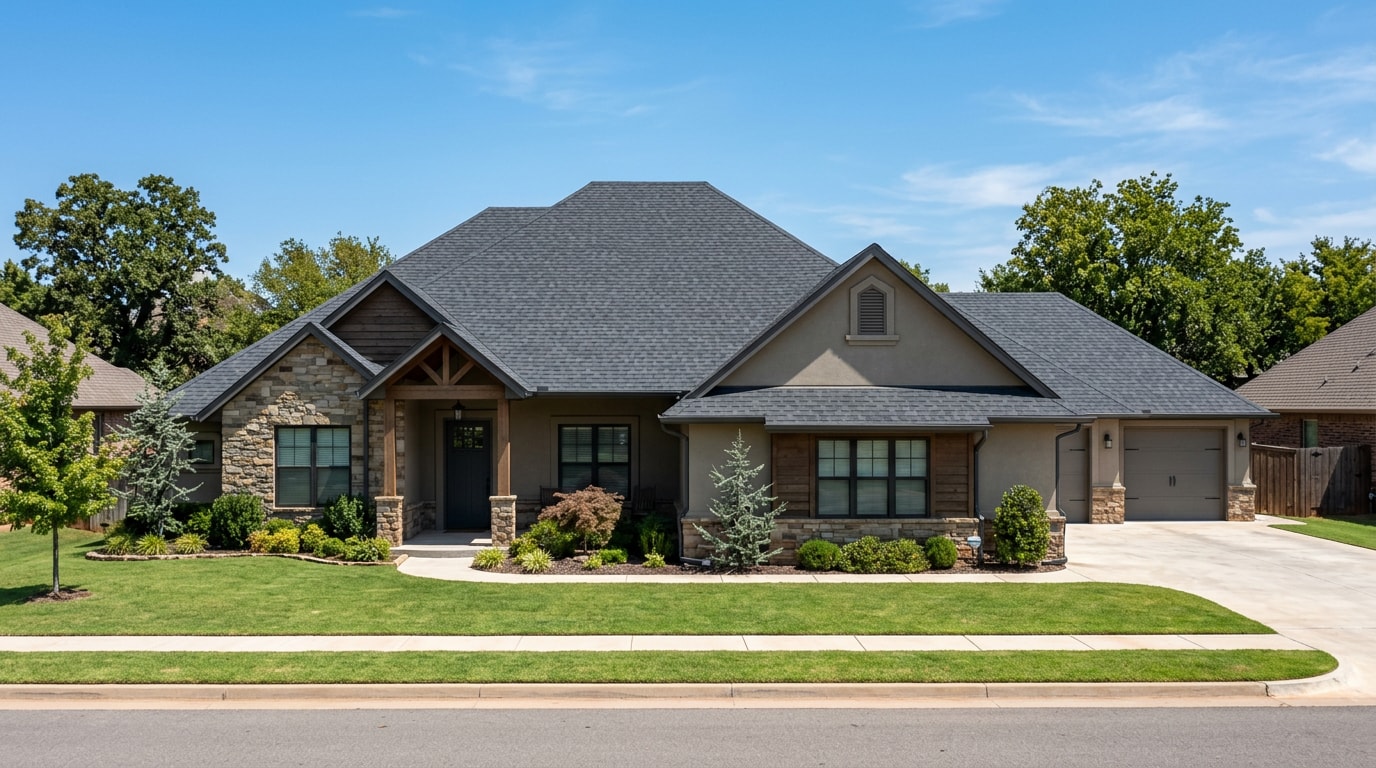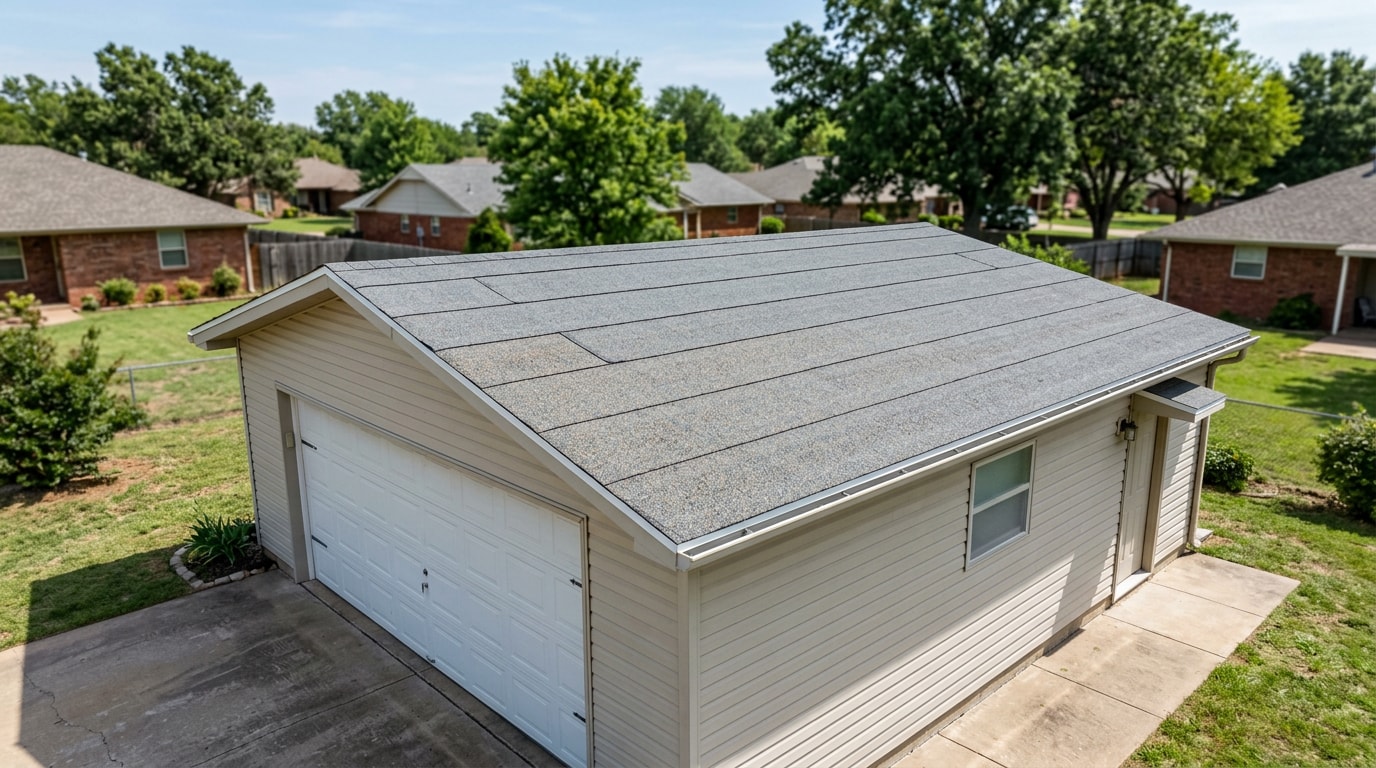
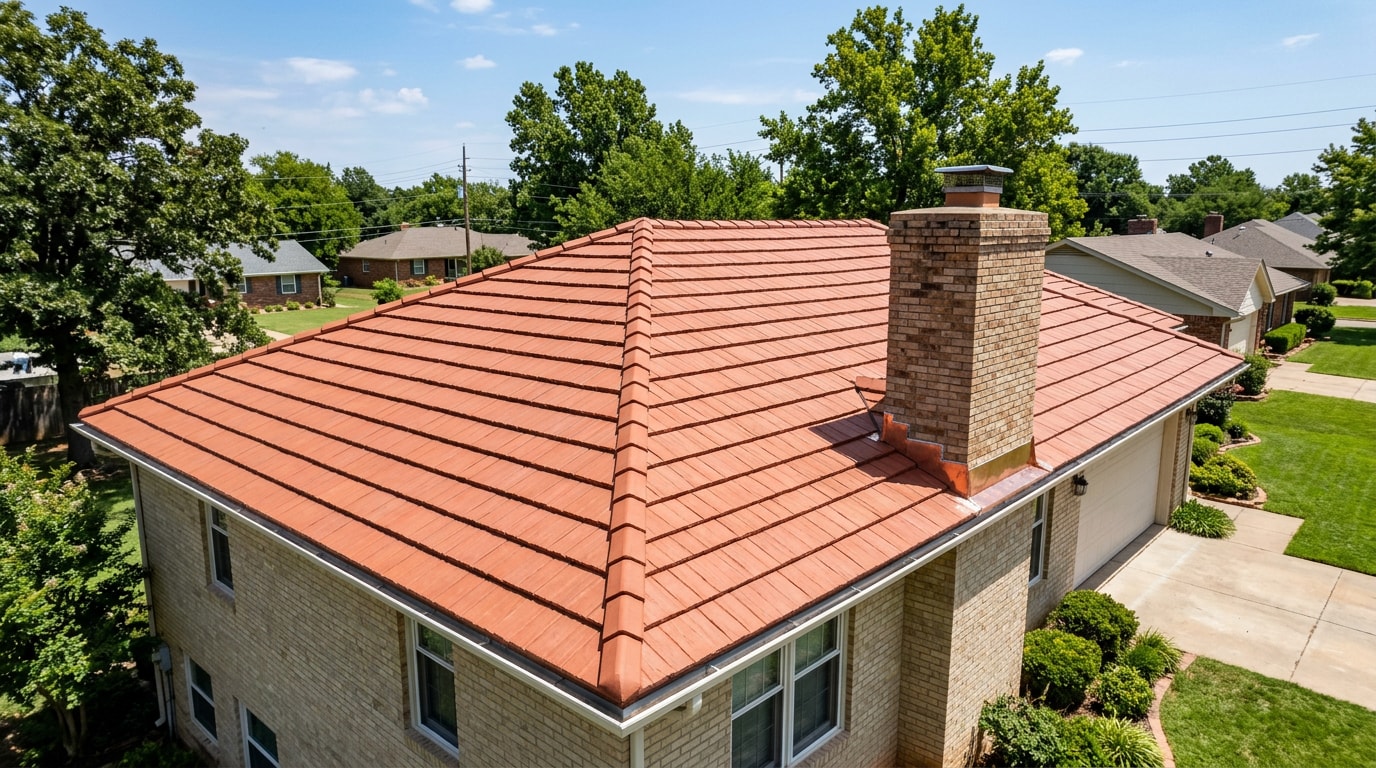
Tile roof restoration in Piedmont, OK repairs, cleans, and reseals existing roof tile instead of tearing off the whole roof. It typically costs a fraction of full replacement, but it only works when the damage is still contained. Here's what the process involves, what drives the price, and how to tell if your roof still qualifies.
What Is Tile Roof Restoration?
Tile roof restoration is a mid-tier service: cleaning, resealing, and repairing existing tile rather than pulling every piece and starting over. A crew works with what's already on the roof, replacing cracked or broken tiles, repairing ridge caps, and applying a protective sealant to extend the roof's life.
On inspections across Piedmont's subdivisions, we regularly find concrete tile that looks fine from the driveway but has already lost its surface seal, which lets water soak in faster than it should. That's the gap restoration is built to close.
Restoration isn't always the right call, though. Roofs with widespread structural damage or failing underlayment across most of the surface usually need a full roof replacement instead. We'll cover how to tell the difference further down.
How Much Does Tile Roof Restoration Cost?
Tile roof restoration cost generally falls into three tiers, depending on how much of the roof actually needs work.
| Restoration Tier | Typical Scope | General Cost Range* |
|---|---|---|
| Light | Pressure cleaning, resealing, minor tile swaps | $600 – $2,000 |
| Moderate | Tile replacement, ridge repointing, partial underlayment repair | $2,000 – $8,000 |
| Extensive | Broad tile lift-and-reset, major underlayment sections | $8,000 – $15,000+ |
*These are general industry ranges, not a Piedmont-specific quote. Actual pricing depends on tile type, roof size, and what an on-site inspection finds.
Professional restoration commonly runs well below full replacement cost for comparable scope, which is why it's worth evaluating before jumping straight to a tear-off. Want real numbers for your roof instead of a range? Request a free estimate and we'll walk the roof with you.
The Tile Roof Restoration Process
A professional restoration generally follows the same sequence, whether the roof is concrete or clay tile.
- Inspection. Crews check for cracked or missing tiles, loose ridge caps, active leaks, and damaged flashing around chimneys and vents.
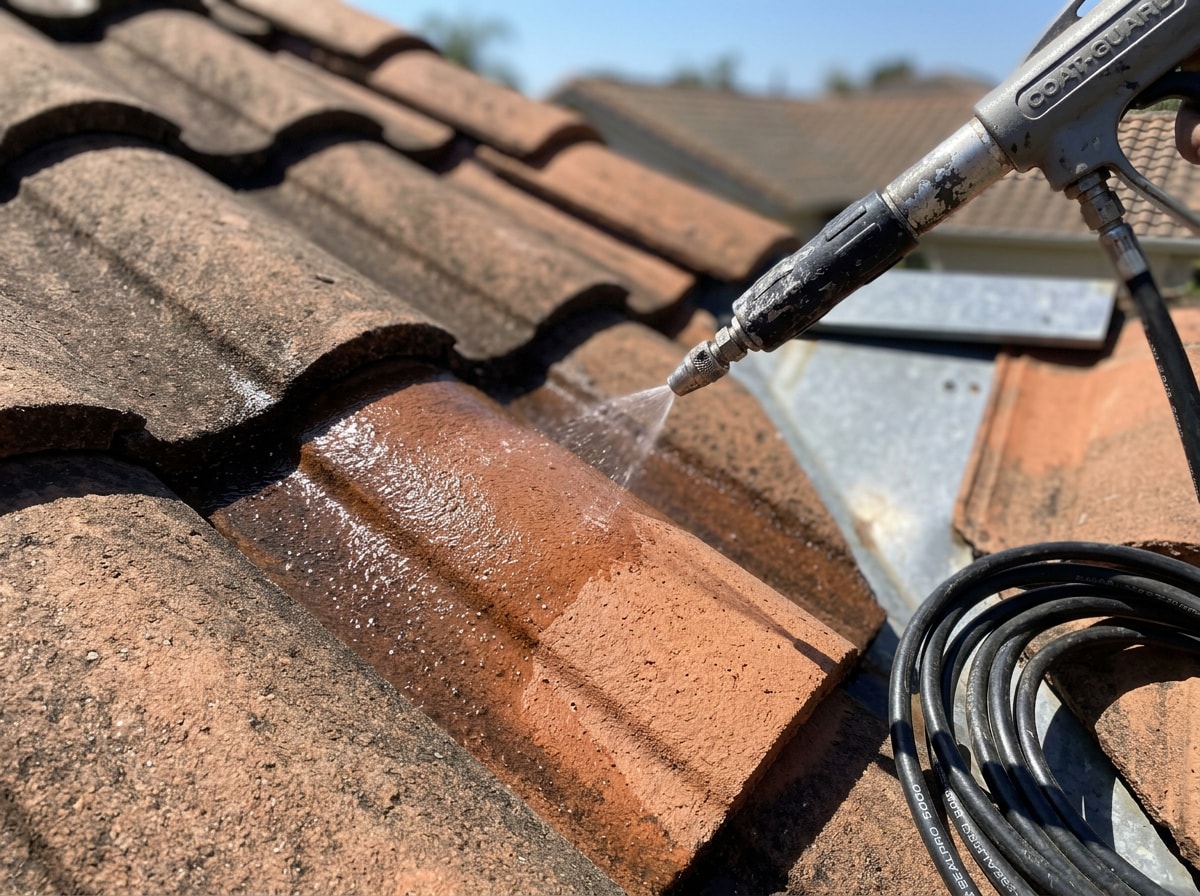
- Cleaning and tile replacement. Tiles too damaged to save are pulled, then the remaining surface is washed to clear moss, lichen, and accumulated dirt.
- Ridge cap repair. Loose ridges are re-bedded and exposed underlayment is patched.
- Protective coating. A sealant seals the tile surface, improves weather resistance, and refreshes color.
If you're not sure where your own roof stands before calling anyone out, our roofing inspection checklist for Piedmont homeowners walks through what to look for from the ground.
What Drives Tile Roof Restoration Cost in Piedmont, OK
Several factors push a restoration quote up or down, and tile material is one of the biggest.
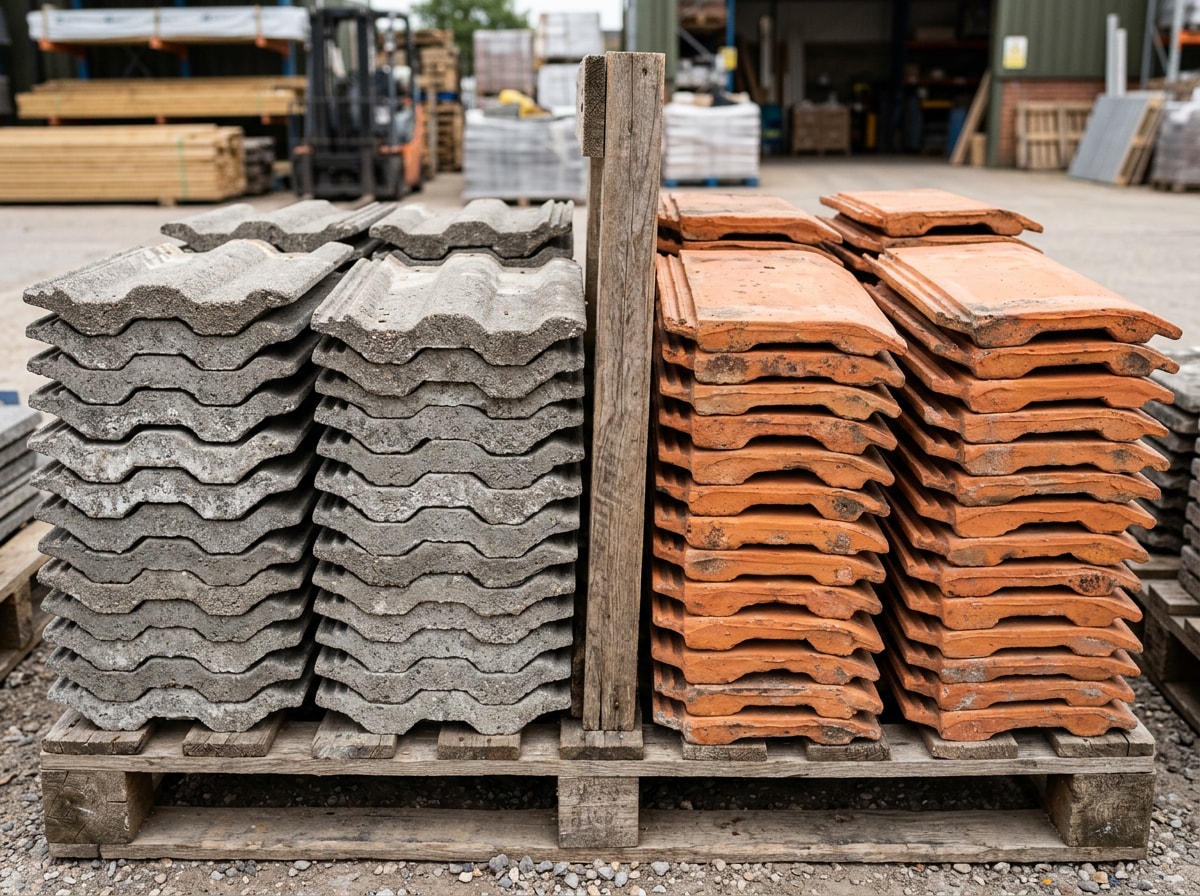
- Concrete tile absorbs more moisture over time and typically needs resealing more often. It's porous, so without a sealed surface it keeps absorbing water, which speeds up wear and can lead to cracking during freeze-thaw cycles.
- Clay tile holds up a bit longer against weathering but is more brittle, so individual tile replacement requires extra care to avoid cracking neighboring pieces.
- Underlayment condition. This is usually the single biggest cost driver. Once underlayment starts failing, tiles have to be lifted to reach the barrier underneath, which adds labor hours a surface-level clean doesn't require.
- Roof complexity. Steep roofs with multiple valleys, chimneys, or skylights take longer to work on than a simple gable roof.
- Tile availability. Older or discontinued tile profiles can be harder to source, which adds time and sometimes cost to replacement work.
Oklahoma's weather is its own cost factor. Piedmont sits in Canadian County, where hail events can crack tiles that look fine from the ground but fail under pressure, and freeze-thaw cycling through winter stresses grout lines and seals. According to the Tile Roofing Industry Alliance, most manufacturers offer warranties of 50 years or more, and tile roofs can last 50 to 100 years or more under normal conditions, but that lifespan assumes the underlayment underneath is holding up its end of the job. The NWS Norman forecast office covers severe weather tracking for the Oklahoma City metro, including the hail and storm activity that accelerates tile wear in this region.
When Underlayment Failure Changes the Restoration Math
Underlayment doesn't last forever, and once it starts failing, restoration gets more involved. Replacing it requires a tile lift-and-reset: carefully removing tiles, laying new underlayment, then resetting the original tiles (or new ones where needed).
This step is one of the bigger swing factors in any restoration quote. Two roofs of similar size and tile type can land on very different price tags — one needs only surface cleaning and resealing, while the other needs a partial lift-and-reset because the underlayment has reached the end of its service life.
Restoration vs. Full Roof Replacement: Which Is Right for You?
Restoration makes sense when damage is contained and the roof structure is sound. Replacement tends to become the more cost-effective path once leaks spread across a large share of the roof surface, since patching that much area in stages often ends up costing more than a single replacement project.
There's also a pricing threshold worth watching. As a general rule of thumb used across the restoration industry, once restoration pricing climbs to somewhere around 60–70% of what full replacement would cost, replacement usually wins out long-term, since you'd be paying close to replacement-level money for a roof that's still working with its original age and structure.
If you're already past that threshold, our roof replacement page walks through what that process involves, materials, and timeline.
DIY vs. Professional Tile Roof Restoration
Professional tile roof restoration generally costs noticeably less than a full replacement while delivering comparable results for a contained problem, which is a big part of why it's worth evaluating before assuming you need a tear-off.
Attempting tile work without a licensed roofer isn't where those savings should come from, though:
- Walking on tile roofs incorrectly can crack tiles that were otherwise fine.
- Incorrect sealant application can trap moisture instead of blocking it.
- A licensed roofer carries the insurance and code knowledge needed to keep the work, and any warranty, valid.
Oklahoma requires roofing contractors to register with the Construction Industries Board before performing roofing work, which is one of the easier ways to vet a contractor before signing anything. If a few tiles need attention rather than a full restoration, our roof repairs page covers smaller-scope work.
Not sure which category your roof falls into? A quick roof inspection answers that before you commit to a price tier. You can also browse our homepage for the full range of roofing and exterior services we handle around Piedmont.
FAQ
Is $30,000 Too Much for a Roof?
A $30,000 roof typically reflects a large or complex full tile roof replacement, not an outlier price for that scope of work. If your current roof mainly needs cleaning, resealing, or partial tile repair rather than a full rebuild, restoration usually costs a fraction of that figure and is worth exploring first.
How Long Does the Average Tile Roof Last in Oklahoma?
Tile roofs can last 50 to 100 years or more and can withstand severe weather conditions including wind and hail , but that figure assumes the underlayment underneath is still intact. Oklahoma's hail and temperature swings stress aging underlayment faster than milder climates, which is why periodic restoration tends to matter more here than in many other regions.
Should a 20-Year-Old Roof Be Replaced?
Not necessarily. At the 20-year mark, it's often the underlayment, not the tiles themselves, that starts failing first, since tile typically outlasts the waterproof layer beneath it. That makes a restoration evaluation worth doing before assuming the whole roof needs replacing.
Can a Tile Roof Be Repaired Instead of Replaced?
Yes, in many cases. Isolated cracked tiles, slipped tiles, and localized leaks are usually fixed through standard repair rather than a full restoration or replacement. Restoration becomes the better fit once damage spreads across multiple sections, and replacement takes over once that damage is widespread or the underlayment has failed.
What Are the Roofing Laws in Oklahoma?
Oklahoma requires roofing contractors to register with the Construction Industries Board and may require permits depending on the scope of work and local jurisdiction. Homeowners should confirm specifics with the CIB or their local building department before starting a project. This is general information, not legal advice.