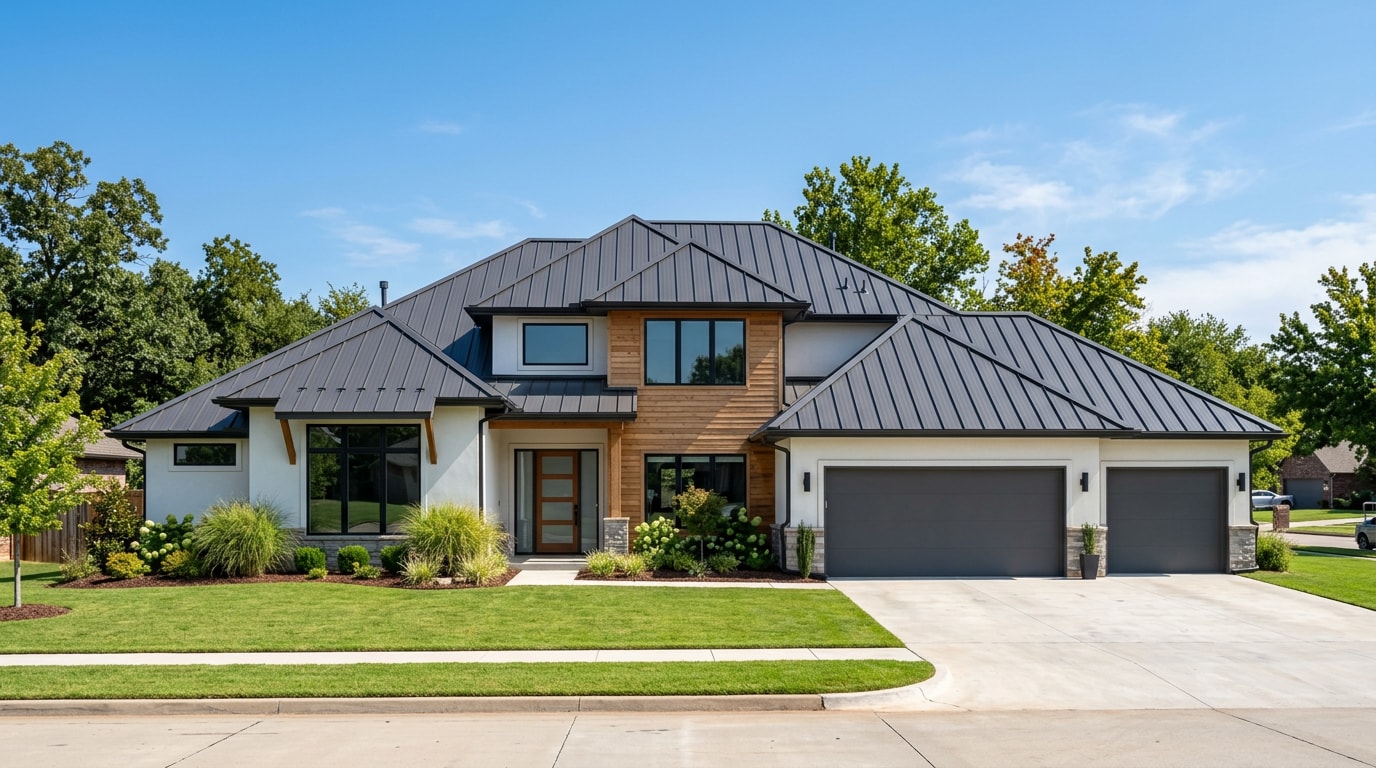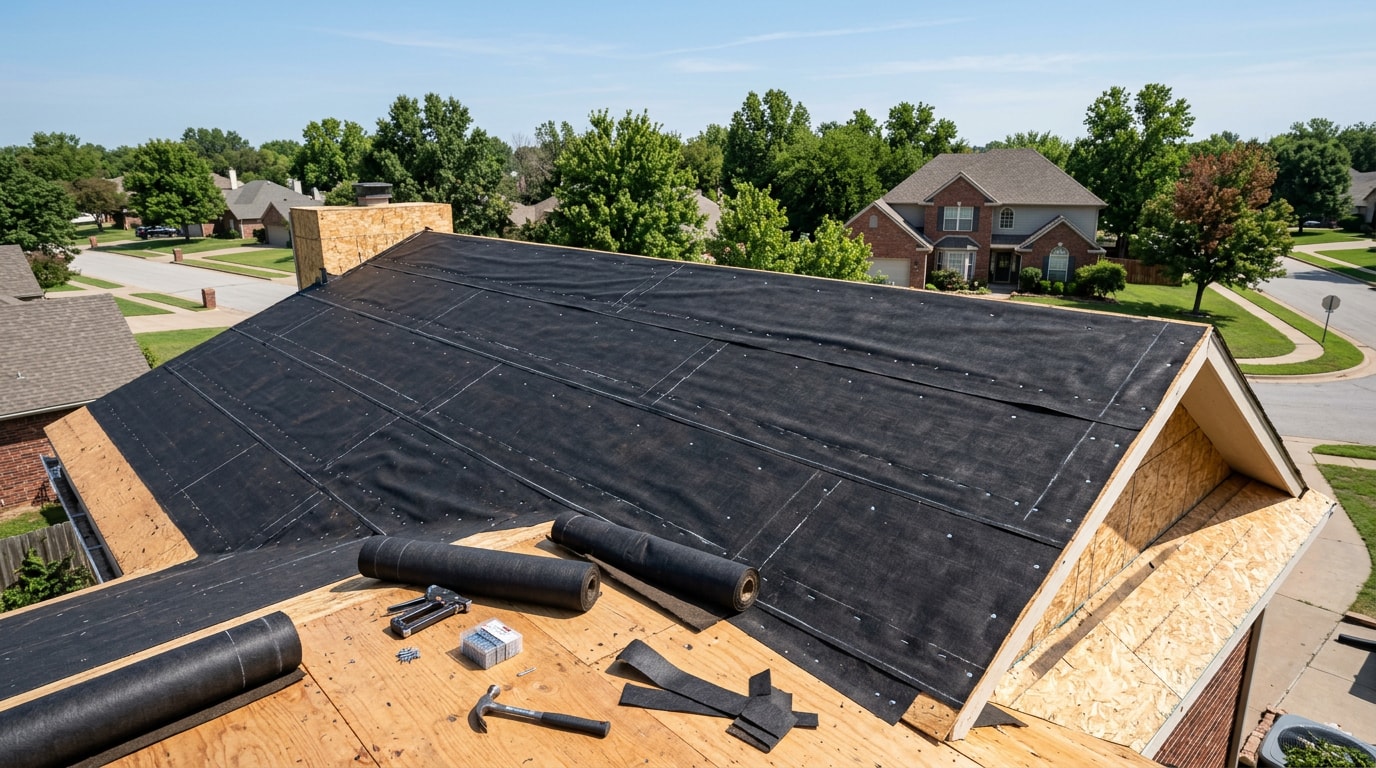
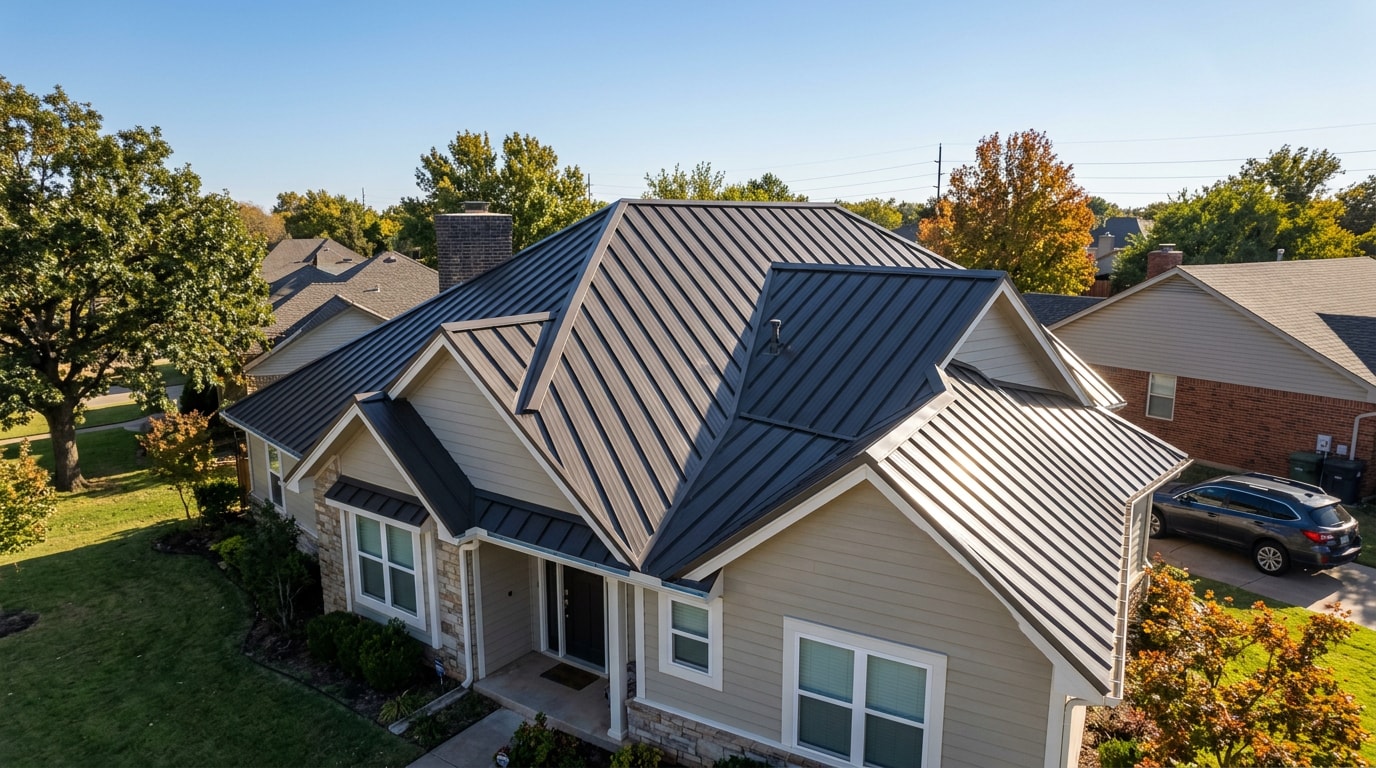
Yes, you can put a metal roof over shingles in Oklahoma City in most cases, but only when your roof meets specific code, structural, and condition requirements. An overlay is a legitimate retrofit, not a shortcut that skips the rules. This guide breaks down exactly what qualifies, what disqualifies a roof, and what it actually costs in the OKC metro.
The Short Answer: When an Overlay Is Allowed
Oklahoma City permits installing a metal roof over one existing layer of asphalt shingles, as long as the decking is sound, the shingles aren't already failing, and you pull the correct permit. That's the baseline. Whether your specific roof qualifies depends on layer count, deck condition, and how the job gets installed.
The sections below walk through code requirements, when an overlay makes sense, how it's installed correctly, honest pros and cons, and real cost ranges compared to a full metal roofing installation with tear-off.
Does Oklahoma City Code Allow a Metal Roof Over Shingles?
Code compliance in the OKC metro comes down to three things: how many shingle layers are already on the roof, whether a permit is pulled, and whether your neighborhood has its own rules layered on top of city code.
The One-Layer Rule
Residential roofing code is based on the International Residential Code, which most Oklahoma municipalities adopt with local amendments. Under the model code, a roof recover is not permitted where the existing roof is water-soaked or deteriorated, where the existing covering is slate, clay, cement, or asbestos-cement tile, or where the existing roof already has two or more applications of any type of roof covering .
In plain terms: one existing layer of sound asphalt shingles is generally a legal base for a new covering. Two existing layers typically mean a full tear-off, no matter how good the top layer looks.
Oklahoma City's 2025 Roofing Permit Ordinance
This is the part a lot of generic guides miss. As of August 1, 2025, contractors and property owners must get a roofing permit from the City of Oklahoma City before beginning any significant roof removal, repair and/or replacement project, and the requirement applies to all single-family homes and duplexes within the Oklahoma City limits .
A few specifics worth knowing before you schedule anything:
A roofing permit is not required for maintenance work in areas of 500 square feet or less or on new construction.
Permits are typically issued the same day and cost $94.50.
City inspectors check for roof condition, flashing, drainage, installation, and code compliance after the work is done.
That means an overlay in OKC isn't just a code question anymore, it's also a permit-and-inspection question. Skipping the permit on a metal-over-shingles job is one of the fastest ways to create a problem at resale or during an insurance claim.
HOA and Neighborhood Restrictions
Code approval doesn't guarantee your neighborhood association will sign off. Many planned communities across the OKC metro restrict roofing materials, colors, or panel profiles even when a metal overlay meets city code. Pull your CC&Rs and confirm exterior material approval before signing a contract.
When Installing a Metal Roof Over Shingles Makes Sense
An overlay isn't a universal fix. The right call depends almost entirely on what's happening underneath the shingles you already have.
When our crews evaluate an OKC overlay candidate, we check four things before quoting anything:
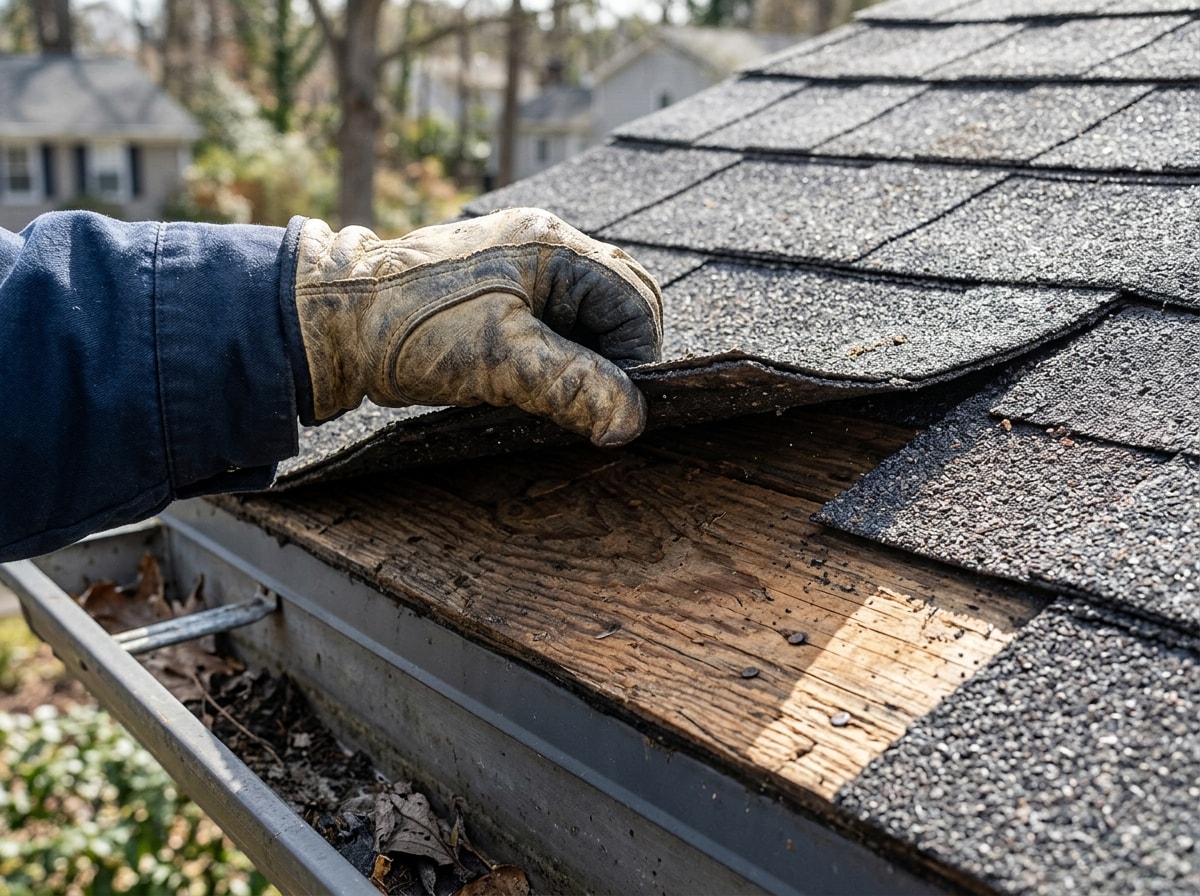
- Layer count — one existing layer only, confirmed by lifting a shingle at the eave.
- Deck condition — firm underfoot, no soft spots or spring.
- Surface flatness — minimal curling, buckling, or waviness.
- Moisture signs — no staining, soft spots, or evidence of past leaks.
If all four check out, your roof is a strong overlay candidate. If any one of them fails, tear-off is the safer, and usually cheaper in the long run, path forward. A proper roof inspection before you commit to either option is what actually determines this, not a sales pitch over the phone.
When You Should Tear Off the Old Shingles First
Some conditions rule out an overlay entirely. This isn't a matter of preference, it's a durability issue.
Tear-off is the right call when:
- The roof already has two layers of shingles.
- The decking underneath is soft, spongy, or rotted.
- There are active leaks or widespread missing or curling shingles.
- The roof surface is already visibly uneven.
Metal panels can't fix a failing substrate. Covering compromised layers just hides the problem until it resurfaces as a bigger, more expensive repair. If any of these apply, a full roof replacement with tear-off is the responsible choice.
How to Install a Metal Roof Over Shingles the Right Way
Once a roof qualifies, how it's installed matters almost as much as whether it qualifies. There are two accepted methods.
Direct Overlay With Underlayment
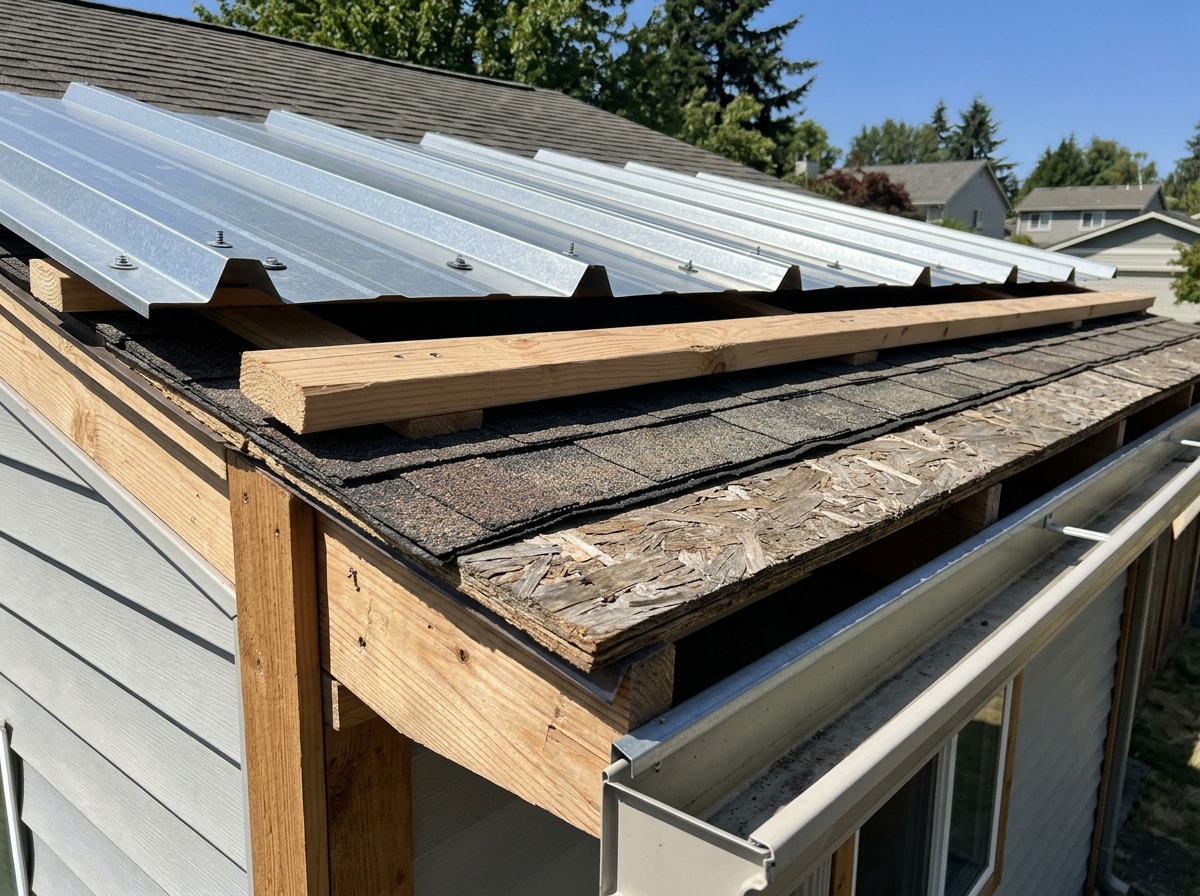
Installers roll synthetic underlayment or a slip sheet directly across the existing shingles before laying metal panels. This works when the shingle layer is flat, firmly attached, and free of significant wear. It's the faster, less expensive route, but it only performs well on a roof that's already smooth.
Furring Strip (Purlin) System
Horizontal furring strips get installed over the shingles first, creating a raised, flatter base for the panels. This method irons out wavy shingle lines and builds in an air gap between the old roof and the new one.
| Method | Best For | Key Advantage | Trade-Off |
|---|---|---|---|
| Direct overlay | Flat, sound single-layer roofs | Lower cost, faster install | No air gap; telegraphs imperfections |
| Furring strip (purlin) | Wavy or uneven shingle base | Built-in ventilation gap | Higher labor cost, more time |
In Oklahoma's climate, that air gap does real work. Improper attic ventilation allows moisture to build up and can cause mold, ruin insulation, and damage wood , and that principle applies directly to the cavity between old shingles and new metal. For baseline ventilation standards, the U.S. Department of Energy's guide to durable attics is a solid technical reference.
Don't Skip Ventilation or Wind-Rated Fastening
Ridge and soffit ventilation shouldn't be an afterthought on an overlay. Without it, heat and humidity build up between the layers and accelerate deck decay from the inside out.
Oklahoma's wind exposure also raises the stakes on fastening patterns and wind-load ratings. A panel system rated for a milder climate may not hold up the same way here.
Common Metal Roof Over Shingles Problems
An overlay done wrong fails in predictable ways. Knowing these ahead of time gives you specific questions to ask any contractor bidding the job. We've covered the full list of red flags, including photos of what each failure looks like, in a dedicated guide to metal roof over shingles problems.
The short version:
- Trapped condensation. Without an air gap, moisture can form between the panel and the old shingle layer, especially during Oklahoma's humid summer swings, creating conditions for mold and slow rot.
- Granule abrasion. Loose granules can shift and wear against the panel's underside over years, contributing to coating wear.
- A wavy, telegraphed finish. An uneven shingle base shows through as a wavy roofline once metal panels go on top.
Honest Pros and Cons of a Metal Overlay
No overlay is purely good or purely bad. It's a trade-off that depends on your specific roof and budget.
Genuine advantages:
- Lower upfront cost than a full tear-off
- Less construction waste sent to the landfill
- Faster installation with no demolition phase
- No shingle-disposal mess in your yard
Real limitations:
- Nobody inspects the deck underneath once it's covered, so hidden damage can go undetected
- Added weight and roof height, which can occasionally raise insurance questions
- Generally a shorter effective lifespan than a true tear-off and replacement
Metal Over Shingles vs. Full Tear-Off: Cost
The decision usually comes down to cost versus long-term value.
| Factor | Metal Overlay | Full Tear-Off + Metal |
|---|---|---|
| Tear-off labor | Not needed | Required |
| Disposal cost | Not needed | Required |
| Deck inspection | Not possible once covered | Full visibility before install |
| Typical timeline | Faster (no demolition) | Longer |
| Effective lifespan | Shorter | Longer |
The savings on an overlay come from three places: skipped demolition labor, skipped disposal fees, and a shorter overall timeline. The trade-off is that if hidden deck damage surfaces later, say, a soft spot found during a future re-roof, you end up paying for both the original overlay and a subsequent tear-off. That's exactly why the four-point assessment earlier in this guide isn't optional.
Because pricing swings quickly with roof pitch, panel profile, and deck condition, the only reliable number is a project-specific one. Request a free estimate rather than relying on general ranges you find online.
How Oklahoma's Weather Changes the Decision
A generic "can you overlay shingles" answer doesn't fully apply here. Oklahoma's hail, wind, and seasonal temperature swings change both the installation requirements and the risk profile.
Hail Exposure
Oklahoma City sits in one of the more hail-active regions in the country. In one recent multi-day severe weather event, a thunderstorm moved into the southwestern and western Oklahoma City metro producing large to very large hail, with additional reports continuing across the greater metro overnight . Events like that are logged in NOAA's Storm Events Database, and they're a big part of why panel gauge and impact-resistant coatings matter more here than in calmer climates.
Wind Load and Thermal Movement
Fastening an overlay correctly for Oklahoma's wind-load requirements is non-negotiable. This is Tornado Alley, and uplift-rated fastening patterns matter more here than almost anywhere else in the country. Big seasonal swings between summer heat and winter cold also cause thermal expansion and contraction in metal panels, which affects fastener spacing and panel clip choices over an existing shingle base.
Choosing the Right Metal Roof for Your Home
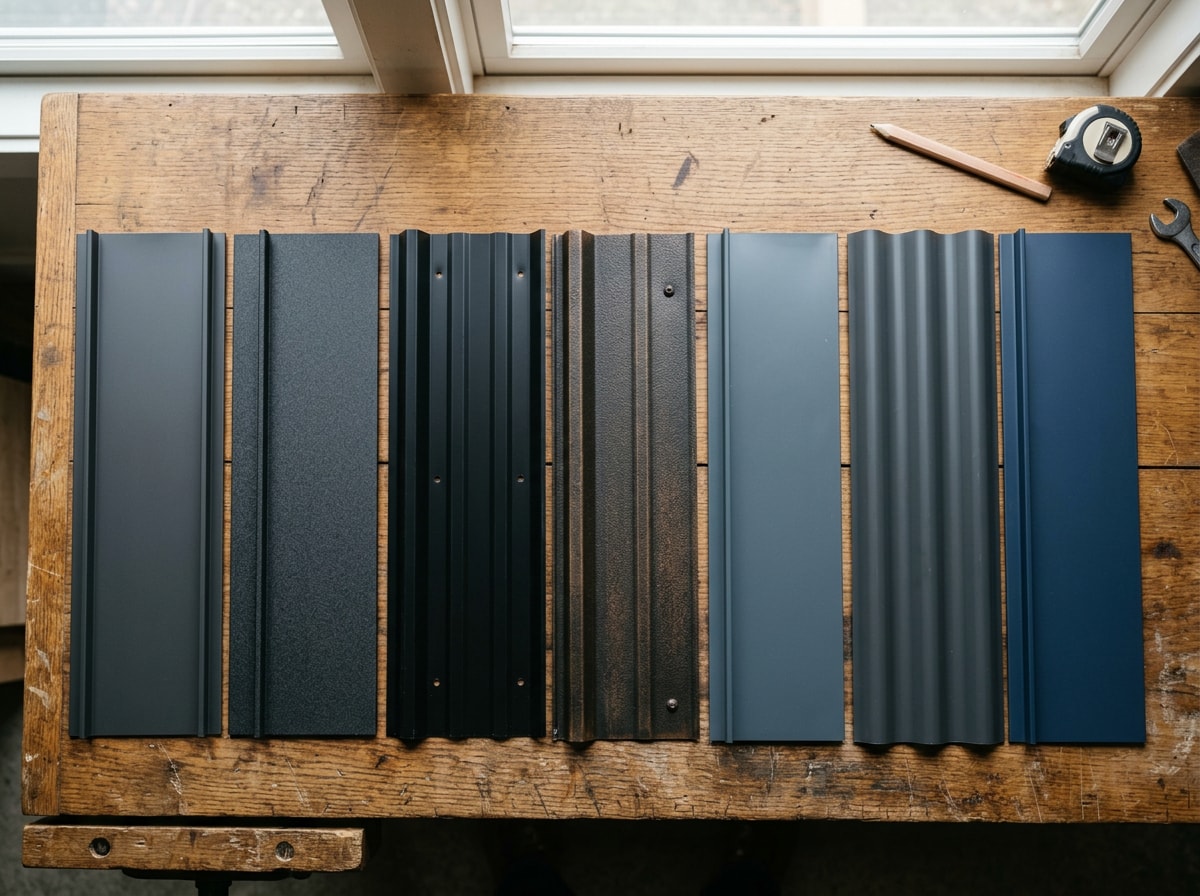
Panel style, gauge, and finish all affect how well an overlay performs. Standing seam panels use concealed fasteners and tend to handle wind uplift and thermal movement better, while exposed fastener panels cost less upfront but require more diligent maintenance on fastener seals over time.
Heavier panel gauge generally holds up better against hail impact, and reflective coating finishes can reduce attic heat gain during Oklahoma summers. The right combination depends on your budget, roof pitch, and how long you plan to stay in the home.
Questions to Ask Before Hiring a Contractor
An overlay is less forgiving of installer error than a standard tear-off, so vetting matters more here, not less. Before hiring anyone, ask:
- How many overlay-specific installs have you completed?
- Are you certified by the panel manufacturer?
- Will you provide a written structural assessment before quoting?
- What warranty terms apply to an overlay versus a tear-off install?
- How do you decide between direct overlay and furring strips on a given roof?
A qualified installer should answer all five without hesitation. If you're ready to get specific answers for your roof, contact us and bring this checklist with you.
Common Mistakes Oklahoma Homeowners Make
The same handful of mistakes show up repeatedly on overlay projects across the metro:
- Skipping the permit. It seems like a shortcut until a future sale or insurance claim requires proof of code-compliant work.
- Ignoring layer-count limits. Often because nobody checked how many layers were already up there.
- Choosing direct overlay when furring strips were needed. Leads to the wavy-roofline and moisture issues covered above.
- Not budgeting for hidden deck damage. Leaves homeowners scrambling for extra funds mid-project.
A pre-project roof inspection catches most of these before they become expensive surprises. If you're in the metro and want eyes on your roof before you decide, AH Roofing Contracting serves homeowners throughout Oklahoma City and the surrounding area, and you can view examples of completed work on our projects page.
FAQ
Can you put a metal roof over shingles in Oklahoma City?
Yes, in most cases. The roof needs one existing layer of asphalt shingles, a sound deck, and a permit. Two or more existing layers generally require a full tear-off first.
Do I need a permit for a metal roof overlay in Oklahoma City?
Yes. As of August 1, 2025, Oklahoma City requires a roofing permit before beginning any significant roof removal, repair, or replacement project on single-family homes and duplexes . This applies whether you're overlaying or tearing off.
How many shingle layers can be under a metal roof in Oklahoma?
One. Code does not permit a roof recover where the existing roof already has two or more applications of any type of roof covering. A roof at two layers needs a full tear-off before any new roofing goes down.
Is it necessary to remove shingles before installing a metal roof?
Not always. It depends on existing layer count and deck condition. If the roof has one sound layer, a flat surface, and no moisture damage, an overlay is usually allowed. If any of those fail, tear-off is required.
What happens if you put a metal roof over shingles without the right prep?
Without proper underlayment or an air gap, trapped moisture can build between the layers, leading to mold and accelerated deck decay. Done correctly, with the right method for your roof's condition, an overlay performs well and adds a layer of insulation.
How long does a metal roof over shingles last?
A properly installed overlay typically has a shorter effective lifespan than a full tear-off and replacement, since the deck underneath isn't inspected or repaired during installation. A tear-off gives the new roof a clean, verified base to perform at its full expected lifespan.
Will a metal roof overlay affect my homeowner's insurance?
It can. Some insurers factor in added roof weight, installation method, and code compliance when underwriting a policy. Confirm with your carrier before work begins, and keep your permit and inspection paperwork on file in case it's requested later.